
BACHELOR’S DEGREE IN DESIGN
ESDI’s Bachelor’s Degree in Design prepares professionals with strong skills in observation, analysis and critical thinking, together with creativity and artistic sensitivity. The programme promotes ethical and sustainable responsibility, social commitment and innovation as tools for advancing social well-being and progress.


INTRODUCTION
ESDI’s teaching methodology balances the theoretical foundations of design with the tools and visual languages needed to bring ideas to life. It also provides direct insight into professional practice through collaboration with companies.
The curriculum combines three types of subjects: conceptual subjects, which build knowledge and skills in the humanities and social sciences; instrumental subjects, which introduce the tools, materials and processes used to develop design outcomes; and project-based subjects, which apply design methodologies through practical projects.
Key information
-
DEGREE
Bachelor’s Degree in Design, an official university qualification awarded by Ramon Llull University
-
PRICE
Spanish-Catalan:
· €9,420 (EU students) // €10,320€ (non-EU students)English:
· €11,070 (EU students) // €11,970€ (non-EU students) -
DURATION
4 academic years, from September to June
-
SCHOLARSHIPS AND GRANTS
Request more information about our own scholarship and grant programme, and our payment and financing options
-
CREDITS
240 ECTS (60 ECTS per academic year)
-
FIELD OF KNOWLEDGE
Cultural industries: design, animation, filmmaking and audiovisual production
-
Specialisations
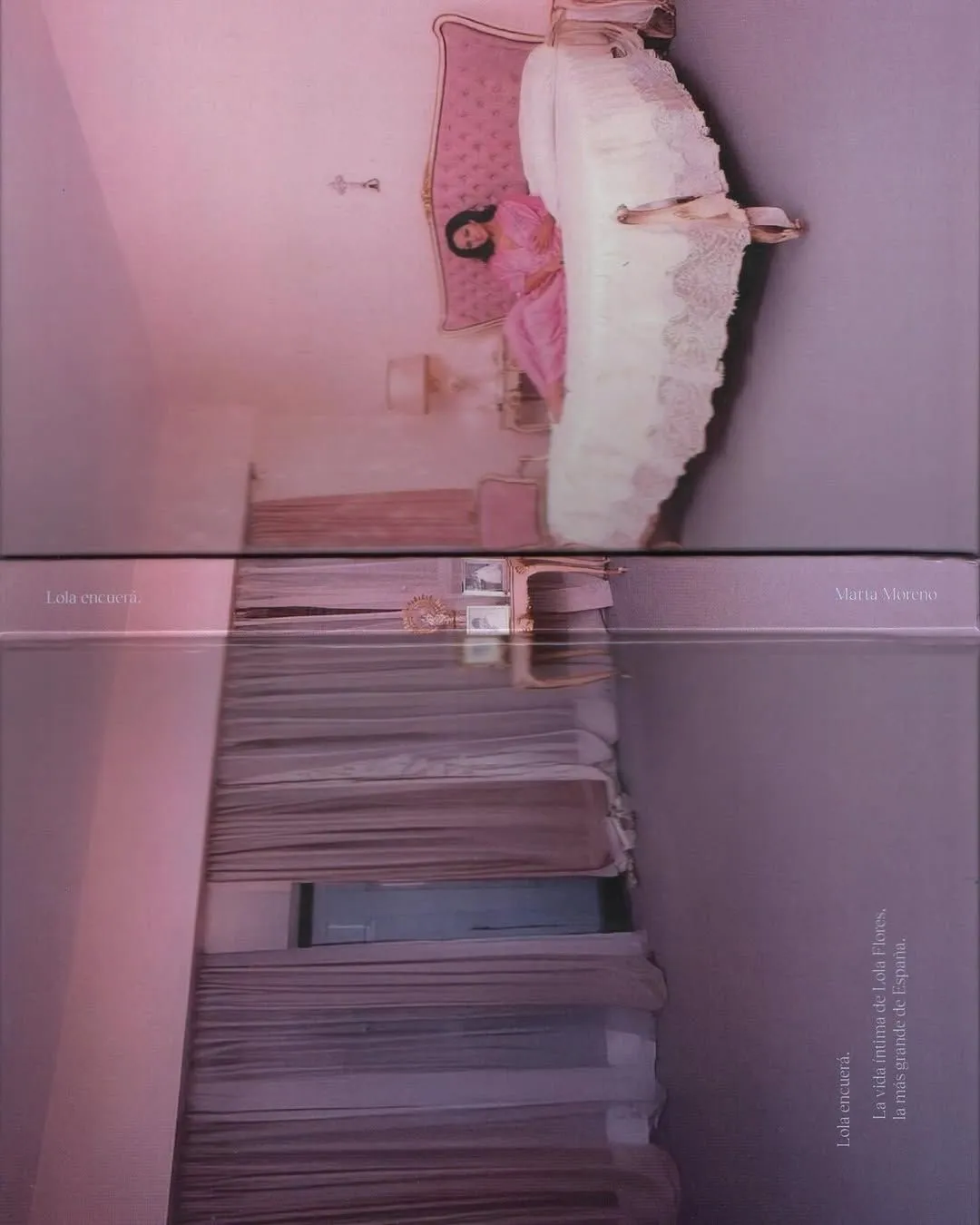
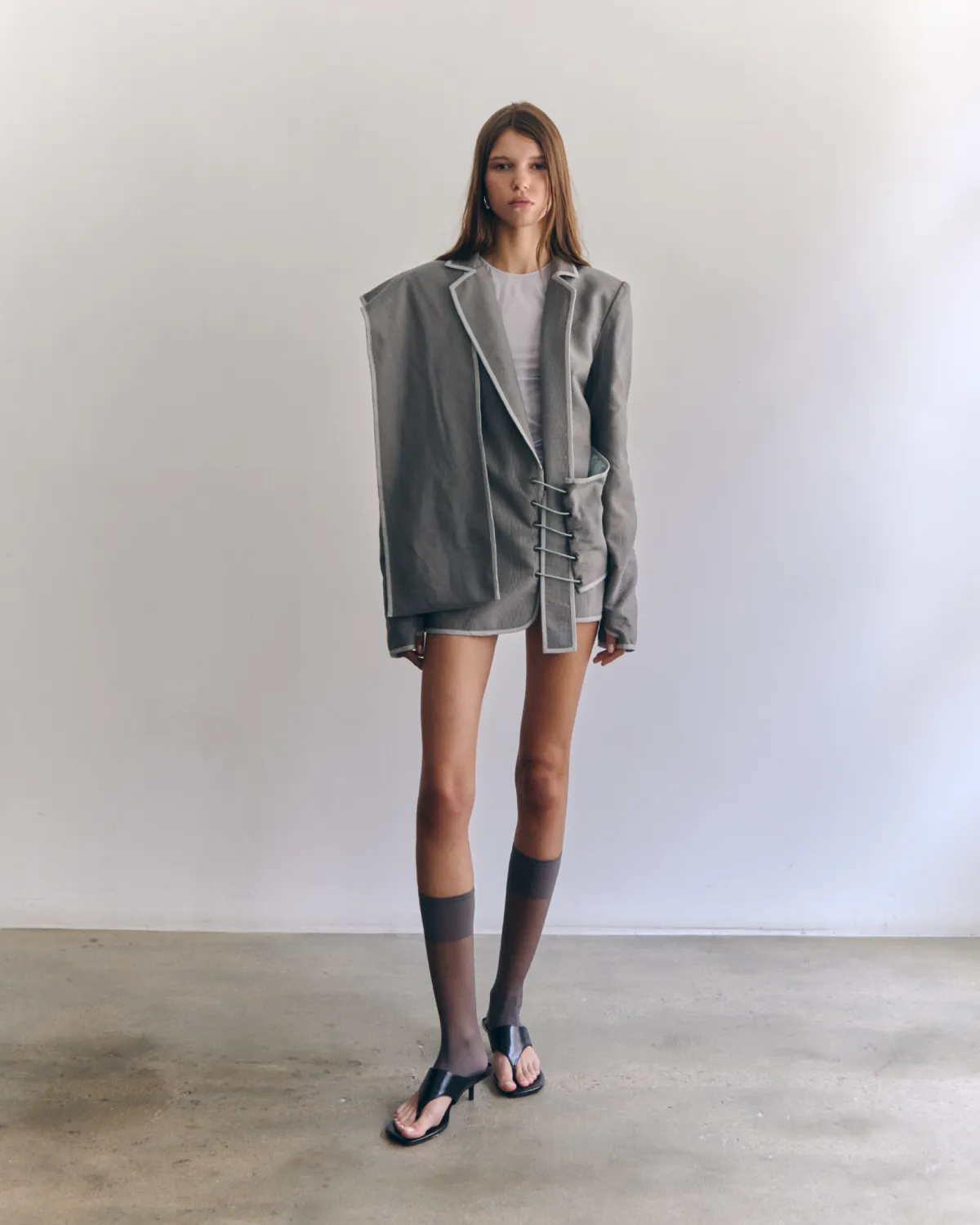
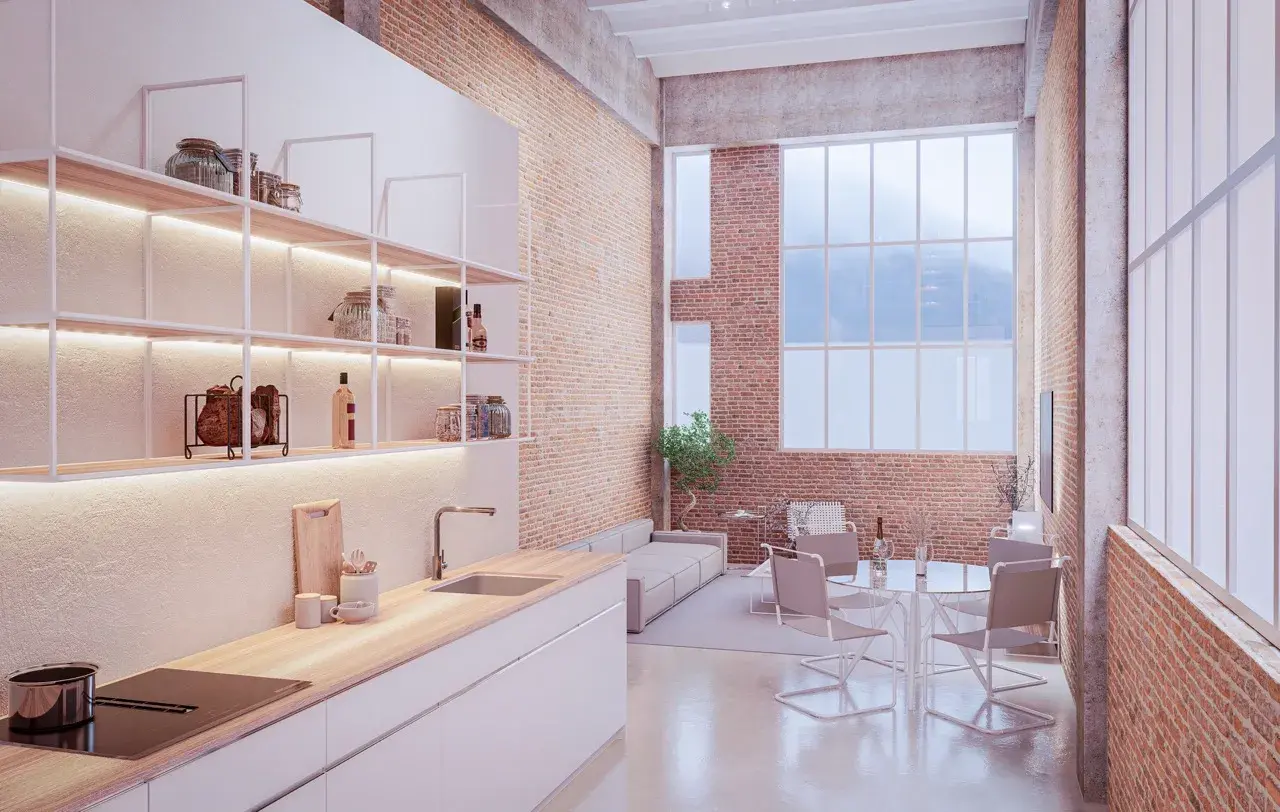
Fashion Design, Interior Design, Graphic Design, Product Design and Audiovisual Design
-
NEXT INTAKE
September 2027
-
Available places
150 places
-
LANGUAGES
Spanish, Catalan and English
-
MODE
On campus at ESDI Sabadell (C/ Marquès de Comillas, 81-83, 08202 Sabadell, Barcelona)
-
COMPANY INTERNSHIPS
Mandatory curricular internships in companies, with the option to undertake additional extracurricular internships
Specialisations

Curriculum
The Bachelor’s Degree in Design curriculum comprises 240 ECTS credits, divided into four academic years of 60 ECTS credits each. The first two years comprise compulsory (O) and basic training (FB) subjects shared across all specialisations. However, some subjects already introduce specialisation-specific content through projects and activities related to the chosen pathway.
Specialised and elective subjects (OP) are taught from the third year onwards and explore the theoretical and practical knowledge of each specialisation in greater depth. They are complemented by mandatory company internships and the Final Degree Project, which represents the final academic milestone for assessing the knowledge and skills acquired throughout the programme.
These are the subjects shared across all specialisations:
-
Design and society
-
Artistic drawing
-
Digital tools I and II
-
Form, color and texture workshop
-
Introduction to design projects I and II
-
History of design I and II
-
Technical drawing
-
Ethics and sustainability
-
Introduction to materials, techniques and technology
-
Culture of art and design I and II
-
Materials, techniques and technology I and II
-
Design projects I and II
-
Design and communication
-
Photography and visual language
-
Design topics
-
Design management
Official University Qualification
The Bachelor’s Degree in Design is an official university qualification awarded by Ramon Llull University and recognised throughout the European Higher Education Area (EHEA). The quality of the programme is accredited by AQU Catalunya, the Catalan University Quality Assurance Agency.
The Bachelor’s Degree in Design is aimed at creative and curious individuals who want to transform ideas into projects with cultural, social or commercial impact. It is ideal for students who wish to explore fashion, graphic design, audiovisual design, product design or interior design through a solid academic foundation and a multidisciplinary approach.
It is also designed for students seeking a university education with an international outlook and a clear professional focus. If you want to combine creativity, innovation and critical thinking to develop solutions for an ever-changing world, the programme will provide you with the environment and tools to do so.
-
Provide a solid foundation in the theoretical, methodological and technical principles of design.
-
Develop the ability to analyse, synthesise and solve problems in creative and professional contexts.
-
Foster creativity and innovation as key elements of the design process.
-
Equip students to research, conceptualise and bring projects to life across different areas of design.
-
Encourage the critical and responsible use of technologies applied to design.
-
Integrate knowledge of visual culture, history and design theory to underpin professional practice.
-
Foster interdisciplinarity and collaboration through collective projects.
-
Embed sustainability, ethics and social responsibility in design practice.
-
Develop an international outlook and the ability to work in multicultural environments.
-
Prepare students for professional practice and further postgraduate or research study.
International Mobility
-
ERASMUS+ PROGRAMME: Study for one semester or a full academic year at a European partner university, with official credit recognition and access to mobility grants.
-
FREEMOVING PROGRAMME: Study at partner universities outside the Erasmus+ framework through bilateral agreements that facilitate the academic recognition of completed subjects.

Company Internships
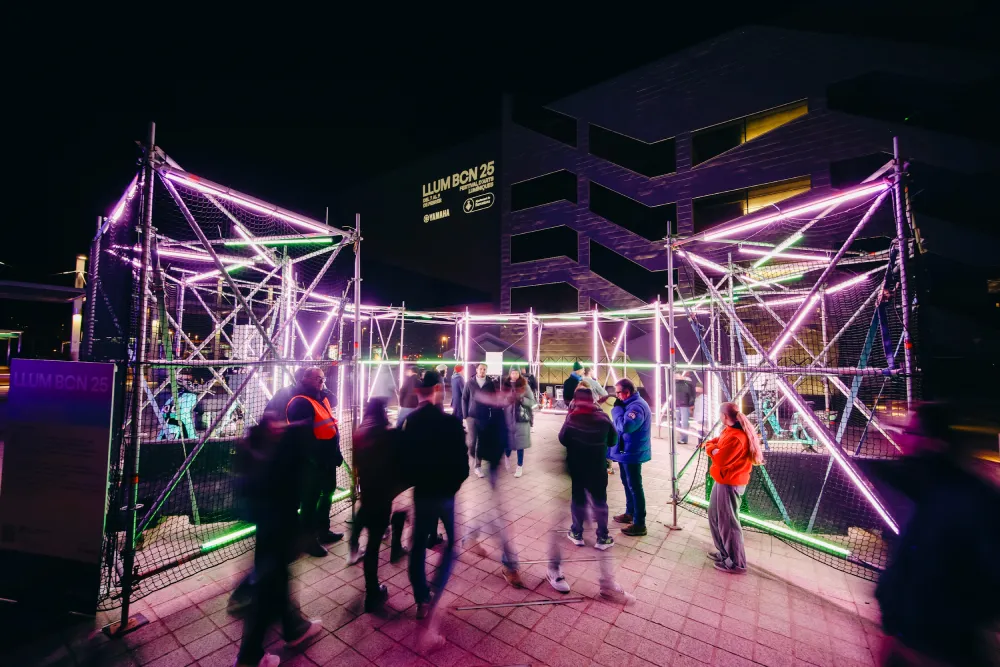
Company internships complement students’ academic education with professional experience. ESDI offers two types of student–university–company agreements:
-
Curricular internships: The compulsory Company Internships subject, worth 14 ECTS credits.
-
Extracurricular internships: Optional placements undertaken through an educational cooperation agreement, without ECTS credits.
ESDI has partnership agreements with a wide range of companies across the design sector and its various specialist fields. Some of these include:

















Key Competencies
Throughout the Bachelor’s Degree in Design, students develop a range of transferable and subject-specific competencies that prepare them to address professional challenges with confidence. Key competencies include the ability to:
- Generate original creative proposals adapted to different contexts.
- Critically analyse social, cultural and aesthetic issues.
- Conceptualise, develop and communicate design projects at every stage.
- Apply research methodologies and innovation processes within the field of design.
- Use digital, technological and visual representation tools.
- Collaborate in multidisciplinary teams, leading and managing projects when required.
- Adapt to changing professional environments and pursue continuous self-directed learning.
- Integrate sustainability, ethics and social responsibility into professional practice.
- Communicate effectively in academic, professional and international contexts.
Download all the information
Academic Team
-
ACADEMIC DIRECTOR OF ESDI-URL
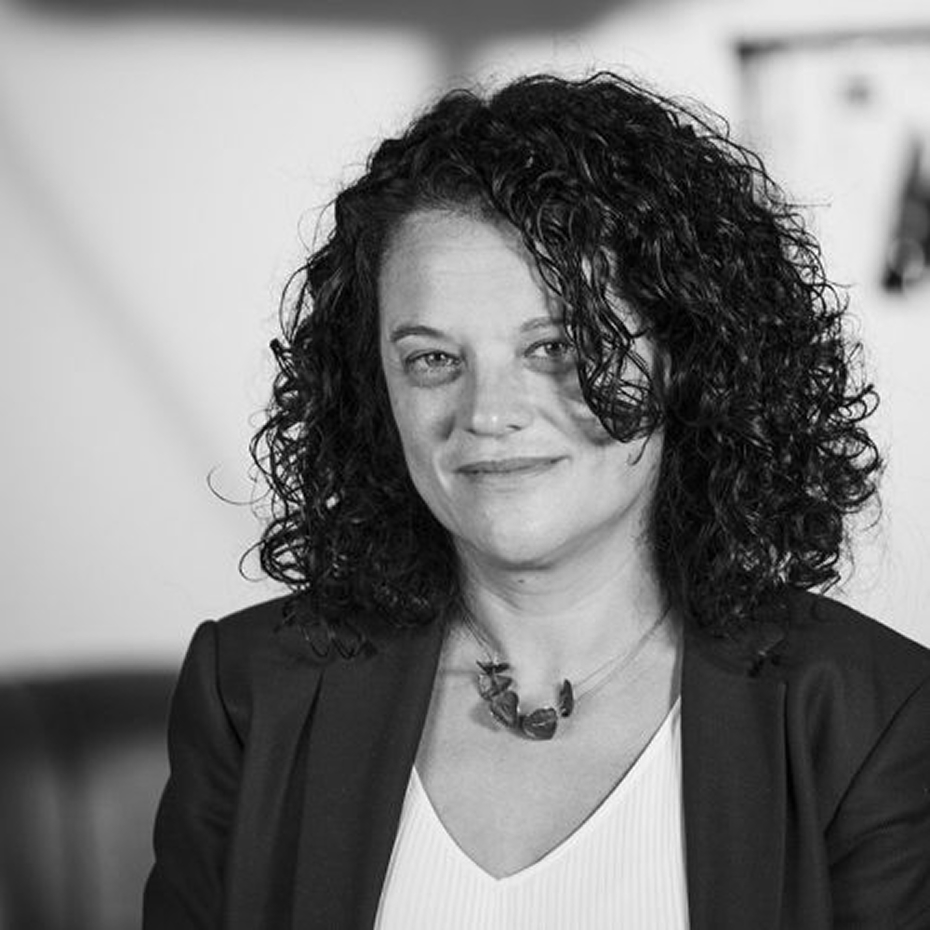
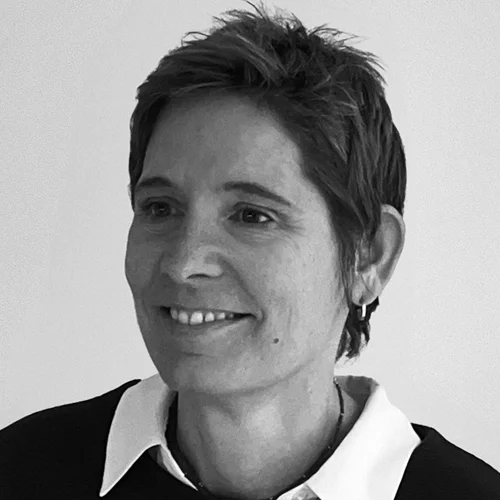
Academic Director of ESDI-URL and PhD in Journalism from the Autonomous University of Barcelona (UAB). She has been the principal investigator of the TADD research group since 2018. From 2012 to 2024, she directed ESDI Color Lab, a laboratory that conducts research on color trends, as Spain’s representative to the International Color Association, Intercolor. Her research focuses on the social analysis and diagnosis of social trends that directly impact different areas of design. She has participated in international conferences and congresses and has written several articles and books related to the semiotics and sociology of design.
-
HEAD OF STUDIES AEAD FASHION
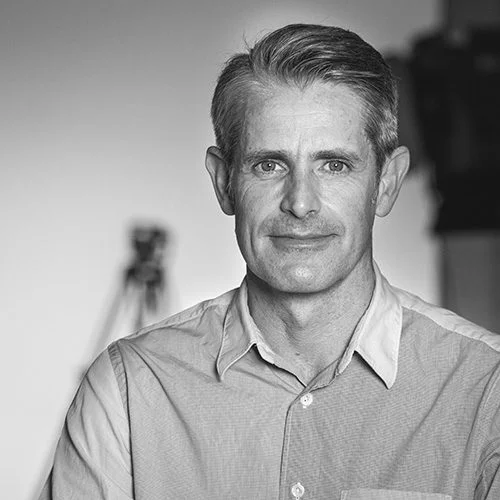
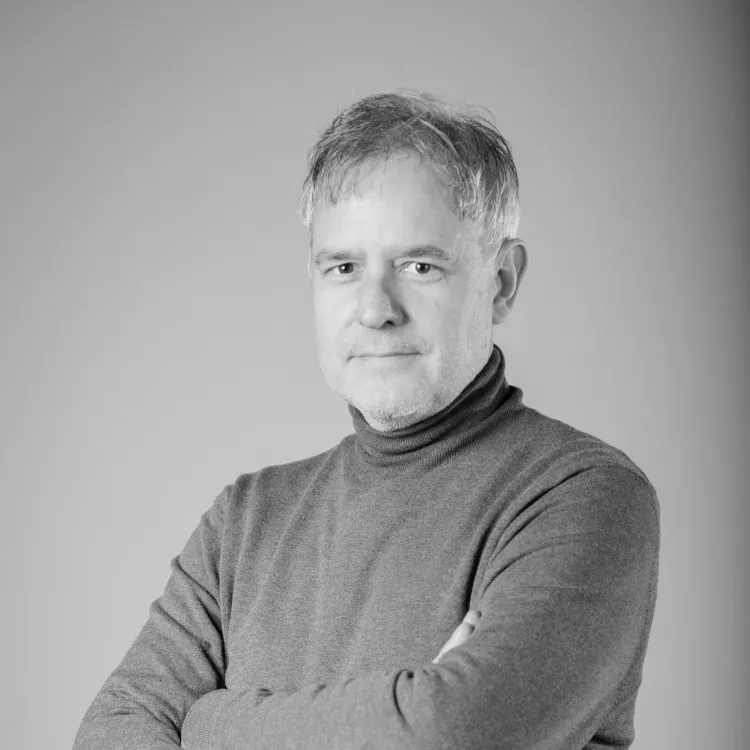
Bachelor of Arts with Honours in Fashion Design, specializing in Knitwear, from the University of Southampton through the EATM School of Arts and Fashion Techniques. Creative Director and founder of the Gacela Socks brand, he is also a freelance Product Manager for various companies, including Camper, TCN, Bobo Choses, Sivasdescalzo, Hoss Intropia, etc.
-
HEAD OF STUDIES AEAD INTERIORS
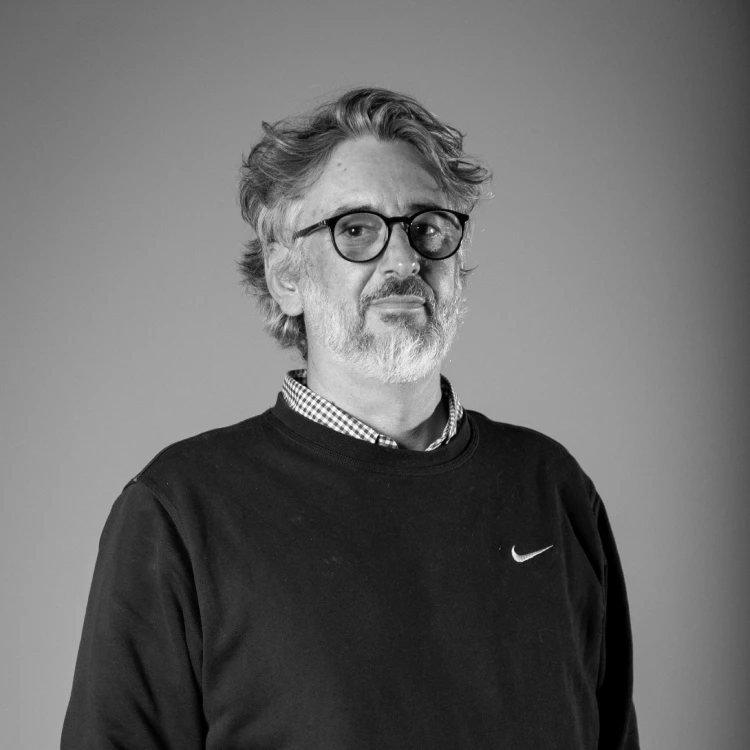
Interior Designer from Elisava and Bachelor of Arts in Honours in Design from Southampton University. Head designer and founder of Satélite Interiors studio, he has been team leader in the interior design department at Mango and head of interior and industrial design at b720 Arquitectos.
-
Industrial designer with professional experience in furniture project management. She has years of experience developing various products, overseeing production, and improving production results, considering aesthetic, technical, and financial aspects. She is also involved in teaching, implementing design-related courses.
-
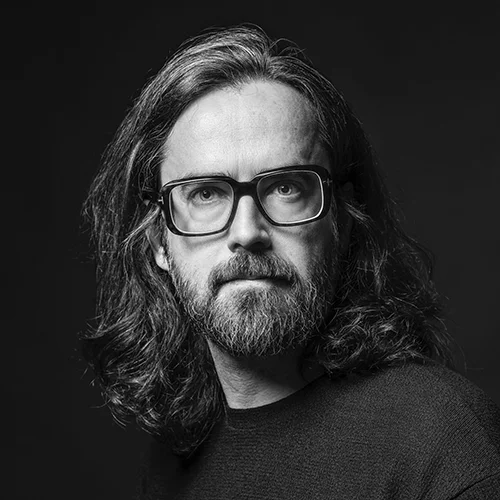
Multimedia artist, professor, and researcher. PhD Summa Cum Laude in Communication (European Mention). He studied film and programming, combining humanities and is a Visiting Scholar at UdK Berlin (1997) and UCLA (1998-99). He completed academic residencies at ZKM and KHM (2002-08) and currently produces, teaches, and conducts university research in Barcelona.
-
Industrial engineer with a degree in Advertising and Public Relations. He combines his work as an illustrator with research in education and creative thinking. He is responsible for Teaching Innovation and Program Development at ESDI-URL and is a doctoral candidate in Education and Art at the UAB.
-
HISTORIAN
Historian specializing in cultural issues related to contemporary European and American problems.
-
UNIVERSITY DEPARTMENT OF DESIGN THEORY AND ANALYSIS
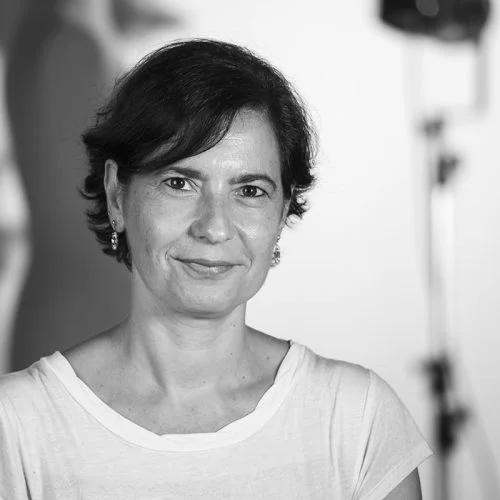
Bachelor of Fine Arts from the University of Barcelona (UB) and Doctor of Psychology from the Autonomous University of Barcelona (UAB). Postgraduate degree in Computer Animation Techniques from the Escola Pia de Sarrià. With over 20 years of experience in teaching, applied research, academic management, and quality assurance. She is currently a professor in the Department of Design Theory and Analysis and a member of the Design Theory, Analysis, and Development (TADD) research group at ESDI-URL.
-
CLOTHING DESIGNER
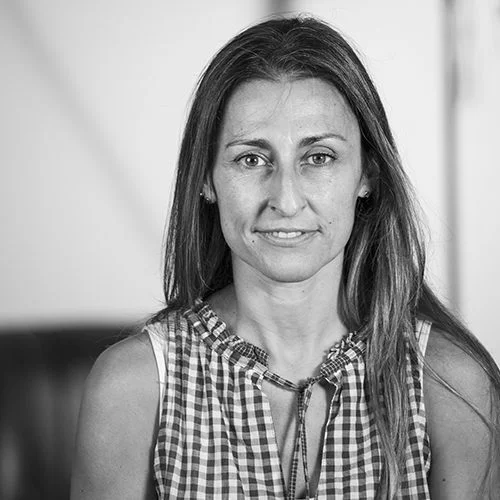
Higher degree in Graphic Design from EINA, Master’s degree in Image Consulting and Personal Shopping, and Higher Level Vocational Training Certificate in Tailored and Stage Costumes from ESDI. She has worked as a costume assistant in theater, film, and television, as well as a sewing assistant in ateliers. She has also worked as a graphic designer and art director in various studios and companies.
Contributing faculty for core subjects
-
Painter and PhD in Fine Arts from the University of Barcelona. His work explores the potential of painting through the relationship between material and conceptual remnants of the creative process. He has exhibited in institutions and galleries such as the Arranz-Bravo Foundation, the Sabadell Art Museum, the Zhi Art Museum in Shenzhen, and the Shu Gallery, among others.
-
VISUAL ARTIST SPECIALIZING IN PHOTOGRAPHY
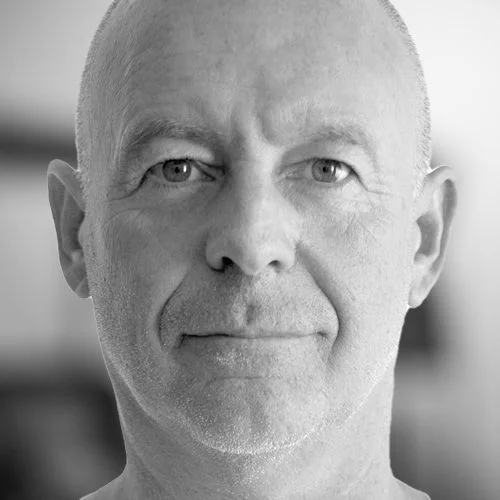
Laurea in Art and Photography from the Università del Progetto and PhD in Business Economics from the Università Luigi Bocconi. He has over 30 years of experience in the field of visual arts. His work has been exhibited in galleries and museums worldwide. In addition to his artistic practice, he works as an independent curator and consultant for schools, cultural institutions, and art companies.
-
Architect (ETSAB 2005), set designer, and teacher. He combines his architecture studio’s projects with teaching at the Instituto Ramar 2 and ESDI. Trained in set design and ephemeral architecture, he has participated in over 30 professional theater and contemporary dance productions and won the COAC Ephemeral Architecture Prize in 2021.
-
GRAPHIC DESIGNER SPECIALIZING IN CORPORATE IMAGE, EDITORIAL DESIGN AND PACKAGING
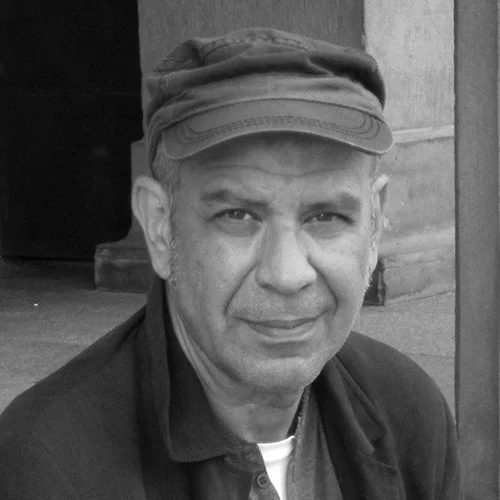
Architect from the University of Córdoba (Argentina) and Master’s Degree in Curating Art in New Media from ESDI-URL. Graphic designer specializing in corporate image, editorial design and packaging.
-
Graduate in Graphic Design from Elisava, Bachelor of Fine Arts from the University of Barcelona (UB), Master’s degree in Artistic Production and Research from the UB, and currently pursuing a PhD on the relationship between painting and music from the perspective of the philosophy of language at the UB. He combines his artistic and musical career with teaching at ESDI, the Faculty of Fine Arts at the UB, and Metáfora (Master’s in Art Therapy).
-
FASHION DESIGNER SPECIALIZING IN PRINTING
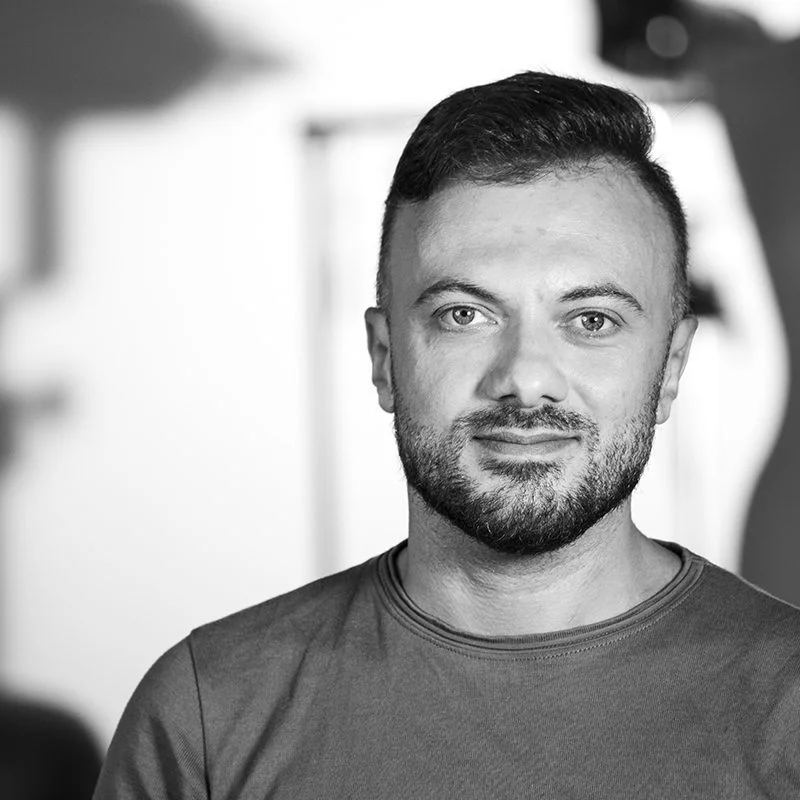
Fashion designer trained at ESDI and specialist in printing. He is the creative director and footwear designer for Gavary Group.
-
STRATEGIC CONSULTANT
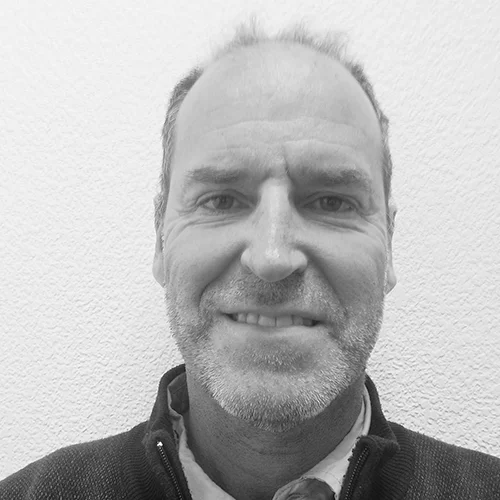
PhD specializing in Finance, Entrepreneurship, and Business Plans. University lecturer at ESDI, ESCI, ABAT OLIBA CEU, IED, UB, IQS, among others. Director and founder of Sintetiza.consulting. Llafranc Tourist Apartments 100%.
-
Contemporary graphic designer and jeweler with international training in Jerusalem, Italy, Germany, and France. She has taught in various countries across Europe and Latin America. Currently, she combines academic work, graphic design, and jewelry creation in her Barcelona studio. Her pieces have been exhibited in art galleries and fairs throughout Europe.
-
MASTER FASHION MANAGEMENT COORDINATOR AND FASHION DESIGNER
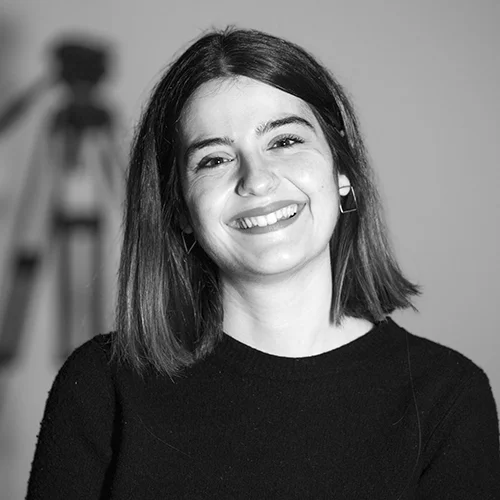
Graduate in Fashion Design, Master’s degree in Fashion Industry Management from ESDI-URL and a specialization in Strategic Management from IE University. An entrepreneur and founder of NiaLafoz, where we contribute an inclusive vision to the fashion world through creativity, strategy, and social commitment.
-
TEACHER AND POLICE COMMISSIONER

Doctor of Humanities from Pompeu Fabra University and Bachelor in Art History from Complutense University of Madrid. She works in teaching, cultural management, and exhibition curating. She has collaborated with the Fundació la Caixa, the MAPFRE Foundation, the Jeu de Paume in Paris, the architecture firm Carlos Arroyo Architects, and Contact Press Images.
-
She focuses her professional career on the areas of Habitat Health, Sustainability, and Energy Efficiency with La Companyia Verda. In the academic field, since 2016 she has collaborated with various design centers, teaching subjects such as Ecodesign, Sustainability, Professional Ethics, Ergonomics, and Habitat Health, among others.
FAQs
-
Yes. ESDI’s Bachelor’s Degree in Design is an official university qualification awarded by Ramon Llull University and recognised throughout the European Higher Education Area (EHEA). It is also quality-accredited by AQU Catalunya, the Catalan University Quality Assurance Agency.
-
The admissions process allows us to understand each applicant’s profile, motivation and creative potential. Applicants must meet one of the established university entry requirements and complete an online creative assessment. Once you have passed the assessment, you will receive a letter of admission and can reserve your place.
-
International students must have their previous qualifications officially recognised within the Spanish education system or have started the recognition process. Like all other applicants, they must complete the required admissions assessment and follow the place reservation process. The Admissions team provides support throughout every stage.
-
The Bachelor’s Degree in Design offers five specialisations: Fashion Design, Graphic Design, Interior Design, Product Design and Audiovisual Design. During the first two years, students build a shared foundation in design knowledge and methodologies, although some subjects already introduce content and projects related to their chosen pathway. From the third year onwards, students focus more extensively on their chosen specialisation and professional field.
-
ESDI offers various payment methods and financing options to make studying more accessible. The Admissions team can provide you with up-to-date information on the terms, deadlines, and options available each academic year.
-
Yes. The Textile Design Foundation (FUNDIT) offers its own programme of scholarships, grants, and awards to recognise talent and facilitate access to university studies. Among the various options, the Merit Scholarship stands out, offering an 80% discount, as well as other opportunities that may vary each academic year. Since it is an official university degree, it is also possible to apply for public scholarships according to the requirements established by the relevant authorities.
-
The Bachelor’s Degree in Design is available in Catalan, Spanish and English, depending on the chosen specialisation and academic group. This multilingual offer provides students with a clearly international educational environment.
-
Assessment methods vary by subject and may include projects, practical exercises, presentations, individual or group assignments and continuous assessment tests. Together, these methods provide a comprehensive evaluation of each student’s progress and their ability to apply knowledge in professional design contexts.
-
Tuition fees include access to ESDI’s facilities, workshops and specialist equipment. Certain materials or additional software may incur an extra cost. The Admissions team can provide further details according to your chosen specialisation.
-
ESDI’s Bachelor’s Degree in Design prepares you for careers across a wide range of sectors, depending on your chosen specialisation: Graphic Design, Fashion Design, Product Design, Interior Design or Audiovisual Design. Graduates can work in design studios, creative agencies, brands, industrial companies and consultancies, or launch their own professional projects.
Common career paths include graphic and digital design, branding, art direction, product design, interior design, fashion styling and design, packaging, UX/UI, visual communication, research and teaching. ESDI’s methodology, based on real-world projects and industry collaboration, also enables students to enter the job market with practical experience.
-
Yes. Company internships form part of the ESDI–Ramon Llull University Bachelor’s Degree in Design curriculum. Students complete mandatory curricular internships worth 14 ECTS credits, allowing them to apply their knowledge in a professional environment. They may also undertake extracurricular internships to gain further experience and strengthen their connections with the sector.
ESDI has an extensive network of partner companies across different areas of design, where students gain professional experience before graduating.
Request information
Do you have any questions? You can submit the form or contact us via WhatsApp, email or phone.