
BACHELOR’S DEGREE IN DESIGN
ESDI’s Design Degree develops professionals grounded in observation, analysis and critical thinking, creativity and artistic sensitivity, ethical and sustainable responsibility, social commitment, and innovation in the service of social well-being and progress.


INTRODUCTION
ESDI’s teaching method seeks a balance between the theoretical foundations that form the basis of learning, the tools and languages that allow ideas to be put into practice, and the approach to professional reality thanks to collaboration with companies.
This is conveyed through three types of subjects: conceptual subjects, which provide knowledge and skills from the field of Humanities and Social Sciences; instrumental subjects, which show the tools and materials to understand the types of products to be designed; and project-based subjects, which teach the design work methodology.
KEY INFORMATION
-
DEGREE
Bachelor’s Degree in Design, an official university qualification awarded by Ramon Llull University
-
PRICE
€9,120 (€152/ECTS) per course in Spanish / Catalan
€10,710 (€178.5/ECTS) per course in English -
DURATION
4 academic years, academic period from September to June
-
SCHOLARSHIPS AND GRANTS
Request more information about our own scholarships and grants program, and our payment and financing options.
-
CREDITS
240 ECTS (60 ECTS/course)
-
SCOPE OF KNOWLEDGE
Cultural industries: design, animation, filmmaking and audiovisual production
-
Electives
Fashion, interiors, graphic design, product design and audiovisual
-
NEXT CALL FOR APPLICATIONS
September 2026
-
Number of places
150 places
-
LANGUAGES
Spanish, Catalan and English
-
MODE
In person at ESDI Sabadell (C/ Marquès de Comillas, 81-83, 08202 Sabadell, Barcelona)
-
COMPANY INTERNSHIPS
Completion of mandatory curricular internships in companies, and the possibility of extracurricular internships
Specialties

Curriculum
The curriculum for the Bachelor’s Degree in Design consists of 240 credits, structured in 4 courses of 60 credits each. The first two years consist of Compulsory (O) and Basic Training (FB) subjects, common to all specializations. However, some subjects already cover specific content, and assignments and activities are developed according to the chosen itinerary.
Specialized and elective courses are taught from the third year onwards and delve deeper into the specific theoretical and practical knowledge of each specialization. These courses are complemented by mandatory internships in companies and the development of the Final Degree Project, which serves as the final pedagogical record for evaluating the knowledge acquired by students during their studies.
These are the subjects common to all specializations:
-
Design and society
-
Artistic drawing
-
Digital tools I and II
-
Workshop on form, color and texture
-
Introduction to projects I and II
-
History of design I and II
-
Technical drawing
-
Ethics and sustainability
-
Introduction to materials, techniques and technology
-
Culture of art and design I and II
-
Materials, techniques and technology I and II
-
Projects I and II
-
Design and communication
-
Photography and visual language
-
Design themes
-
Design management
Degree
It is an official university degree awarded by Ramon Llull University and recognized and validated within the EHEA (European Higher Education Area). The quality of the ESDI Bachelor’s Degree in Design is accredited by AQU (Agency for the Quality of the University System of Catalonia).
The Bachelor’s Degree in Design is tailored to creative, curious individuals interested in transforming ideas into projects that generate cultural, social, or business impact. It is an ideal program for those who wish to explore fashion, graphic design, audiovisual design, product design, or interior design, with a solid academic foundation and a multidisciplinary approach.
It is also aimed at students seeking university education with an international focus and a clear career orientation. If you are interested in combining creativity, innovation, and critical thinking to contribute solutions in an ever-changing world, this degree offers you the environment and tools necessary to do so.
-
Provide a solid foundation in the theoretical, methodological and technical principles of design.
-
Develop the ability to analyze, synthesize and solve problems in creative and professional contexts.
-
Promote creativity and innovation as key tools in the design process.
-
Train students to research, conceptualize and materialize projects in different areas of design.
-
Promote the critical and responsible use of technologies applied to design.
-
Integrate knowledge of visual culture, history and design theory to underpin professional practice.
-
Promote interdisciplinarity and collaboration in collective projects.
-
Promote skills in sustainability, ethics and social responsibility linked to the practice of design.
-
Promote the development of an international vision and adaptation to multicultural environments.
-
Prepare students for employment and the continuation of studies in postgraduate and research programs.
International Mobility
-
ERASMUS+ PROGRAM: enables you to study for a semester or an academic year at partner European universities, with official credit recognition and access to financial aid for mobility.
-
FREEMOVING PROGRAM: allows you to study at universities outside the Erasmus+ framework, anywhere in the world, through bilateral agreements that facilitate the academic recognition of the subjects studied.

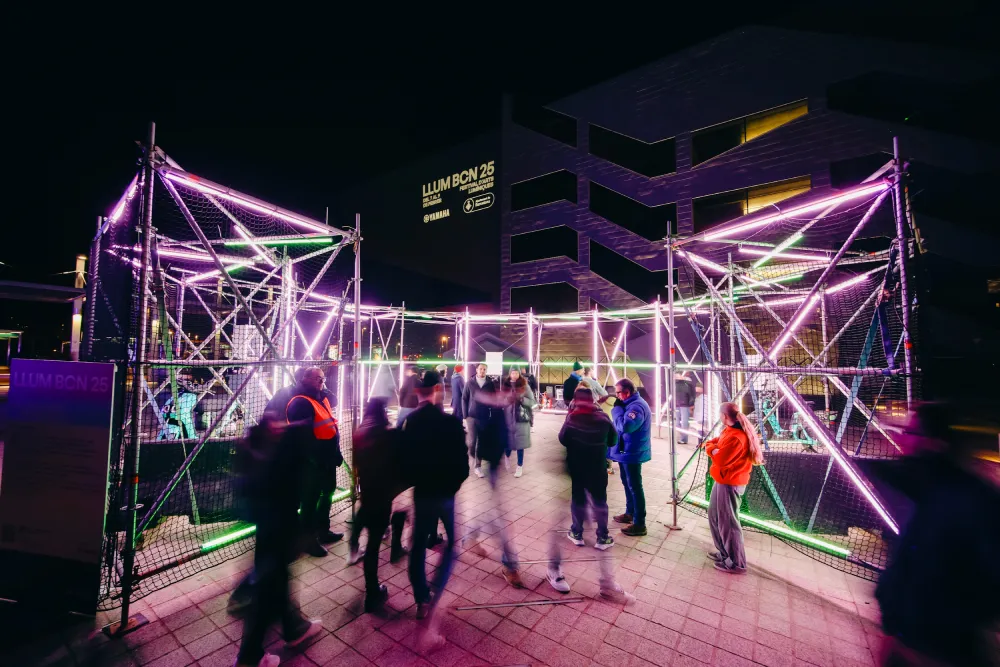
Company Internships
Work placements serve to complement and reinforce students’ education with professional experiences in the business world. There are two types of student-university-company agreements:
-
Agreement regulating the subject “Company internships” (curricular internships), a compulsory subject with academic value (14 ECTS).
-
Agreement for educational cooperation practices for the exercise of knowledge (extracurricular practices), without credit load.
Key Competencies
Throughout the Bachelor's Degree in Design, students will develop a set of transversal and specific skills that will enable them to confidently face the challenges of the profession. Among the main skills acquired are:
- To generate original creative proposals adapted to different contexts.
- To critically analyze social, cultural and aesthetic issues.
- To conceptualize, develop, and communicate design projects across all their stages.
- To apply research methodologies and innovation processes in the field of design.
- To use digital, technological, and visual representation tools.
- To collaborate in multidisciplinary teams, leading and managing projects when necessary.
- To adapt to changing professional environments and maintain continuous self-directed learning.
- To integrate sustainability, ethical, and social responsibility criteria into professional practice.
- To communicate effectively in academic, professional, and international contexts.
FAQs
-
Yes. The ESDI Degree in Design is an official university degree issued by Ramon Llull University and recognized within the European Higher Education Area (EHEA). In addition, it has the quality accreditation of the Agency for the Quality of the University System of Catalonia (AQU).
-
The admission process is designed to know the profile, motivation and creative potential of each candidate. To access the Degree, you must comply with one of the established university access routes and take a creative online admission test. Once you have passed the test, you will receive the admission letter and you will be able to formalize the reservation of a place.
-
International students must have the prior studies approved or have begun the process of homologation to the Spanish educational system. Like the rest of the candidates, they will have to take the admission test and follow the process of booking a place. The Admissions team accompanies the student during all the phases of the process.
-
The Degree in Design offers five specialisations: Fashion Design, Graphic Design, Interior Design, Product Design and Audiovisual Design. During the first two courses, students take a common knowledge base and design methodologies. However, in some subjects specific topics are already taught and work and activities are developed according to the chosen itinerary. From the third year onwards, the subjects are specialised according to the chosen specialisation, allowing students to delve deeper into the professional field of interest.
-
ESDI has different payment methods and financing options to facilitate access to studies. The Admissions team can inform you of the updated conditions, deadlines and options available in each academic year.
-
Yes. The Foundation of Textile Design FUNDIT offers its own scholarships, grants and awards program to recognize talent and facilitate access to university studies. Among the different options, the Merit Scholarship stands out, which offers an 80% discount, as well as other calls that may vary each academic year.
As it is an official university degree, it is also possible to opt for public scholarships according to the requirements established by the competent administrations.
-
The Degree in Design can be taken in Catalan, Spanish and English, depending on the mention and the selected academic group. This offer allows students to develop training with a clear international orientation.
-
The evaluation combines different methodologies to assess both theoretical knowledge and practical skills. Depending on the subject, projects, exercises, presentations, individual or team work, practices and continuous assessment tests are taken into account. The objective is to assess the progress of the student in a comprehensive and applied way to the professional reality of design.
-
Enrolment for the Degree includes access to ESDI’s facilities, workshops and specialised equipment. Some specific materials, such as workshop materials or additional software, may involve a complementary cost. The Admissions team can inform you of the details according to the chosen mention.
-
The ESDI Degree in Design prepares you to develop your career in very diverse sectors, according to the mention you choose: Graphic design, Fashion, Product, Interior or Audiovisual. You will be able to work in design studios, creative agencies, brands, industrial companies, consultancies or start your own professional project.
Some of the most common outings are graphic and digital design, branding, art direction, product design, interior design, styling and fashion design, packaging, UX/UI, visual communication, research or teaching. In addition, the ESDI methodology, based on real projects and collaboration with companies, facilitates a incorporation into the labour market with practical experience.
-
Yes. Internships are part of the curriculum of the Degree in Design at ESDI-Ramon Llull University. Students undertake compulsory curricular internships (14 ECTS) that allow them to apply the knowledge acquired in a real professional environment. In addition, extracurricular internships can also be done to expand experience and contact with the sector.
ESDI has an extensive network of collaborating companies from different areas of design, where students develop real projects and acquire experience before completing their studies, which favors their labor insertion.
Download all the information
Academic Team
-
ACADEMIC DIRECTOR OF ESDI-URL
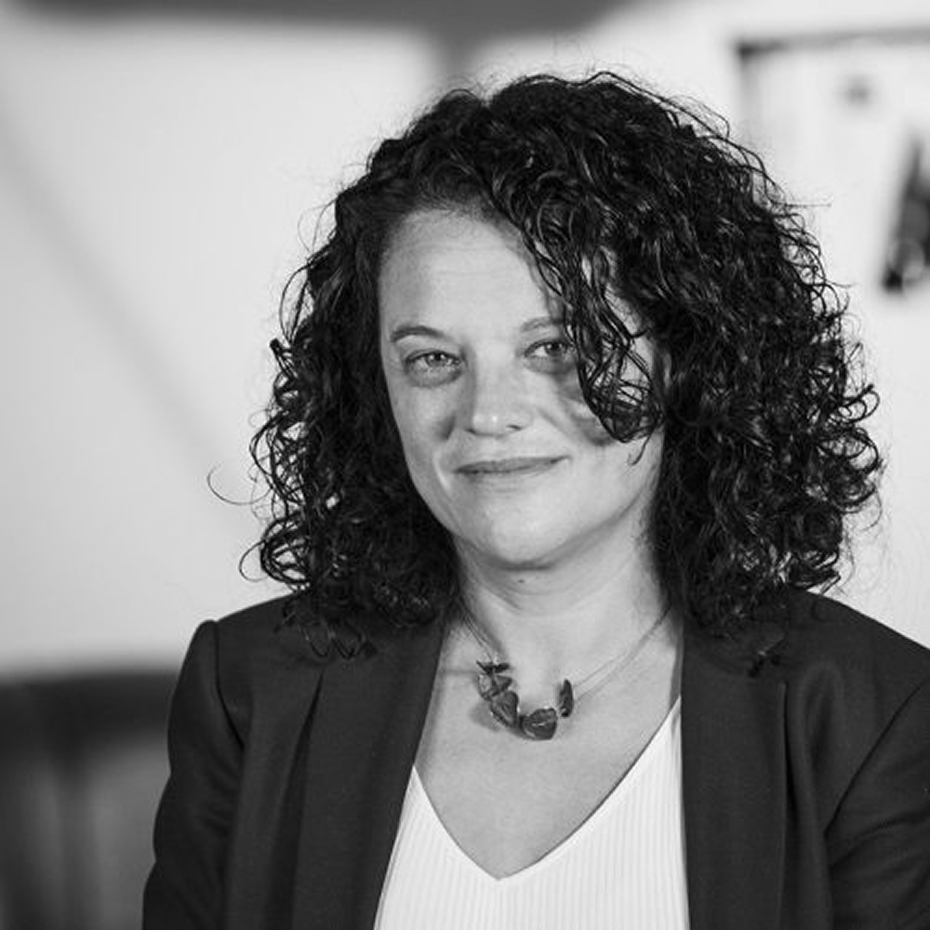
Academic Director of ESDI-URL and PhD in Journalism from the Autonomous University of Barcelona (UAB). She has been the principal investigator of the TADD research group since 2018. From 2012 to 2024, she directed ESDI Color Lab, a laboratory that conducts research on color trends, as Spain’s representative to the International Color Association, Intercolor. Her research focuses on the social analysis and diagnosis of social trends that directly impact different areas of design. She has participated in international conferences and congresses and has written several articles and books related to the semiotics and sociology of design.
-
HEAD OF STUDIES AEAD FASHION
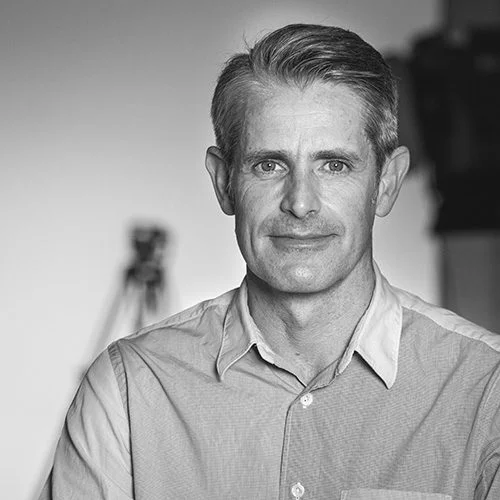
Bachelor of Arts with Honours in Fashion Design, specializing in Knitwear, from the University of Southampton through the EATM School of Arts and Fashion Techniques. Creative Director and founder of the Gacela Socks brand, he is also a freelance Product Manager for various companies, including Camper, TCN, Bobo Choses, Sivasdescalzo, Hoss Intropia, etc.
-
HEAD OF STUDIES AEAD INTERIORS
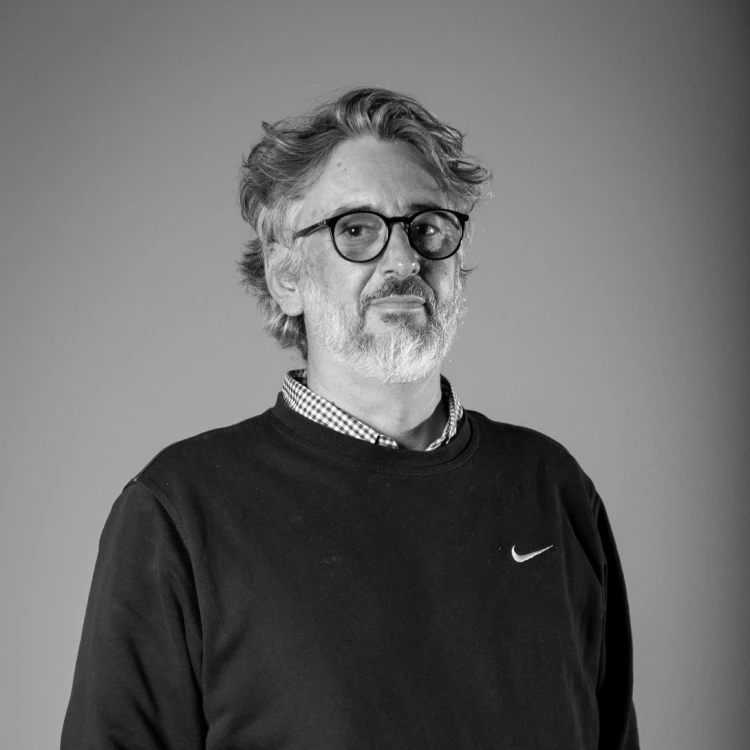
Interior Designer from Elisava and Bachelor of Arts in Honours in Design from Southampton University. Head designer and founder of Satélite Interiors studio, he has been team leader in the interior design department at Mango and head of interior and industrial design at b720 Arquitectos.
-
Industrial designer with professional experience in furniture project management. She has years of experience developing various products, overseeing production, and improving production results, considering aesthetic, technical, and financial aspects. She is also involved in teaching, implementing design-related courses.
-
Multimedia artist, professor, and researcher. PhD Summa Cum Laude in Communication (European Mention). He studied film and programming, combining humanities and is a Visiting Scholar at UdK Berlin (1997) and UCLA (1998-99). He completed academic residencies at ZKM and KHM (2002-08) and currently produces, teaches, and conducts university research in Barcelona.
-
Industrial engineer with a degree in Advertising and Public Relations. He combines his work as an illustrator with research in education and creative thinking. He is responsible for Teaching Innovation and Program Development at ESDI-URL and is a doctoral candidate in Education and Art at the UAB.
-
HISTORIAN

Historian specializing in cultural issues related to contemporary European and American problems.
-
UNIVERSITY DEPARTMENT OF DESIGN THEORY AND ANALYSIS
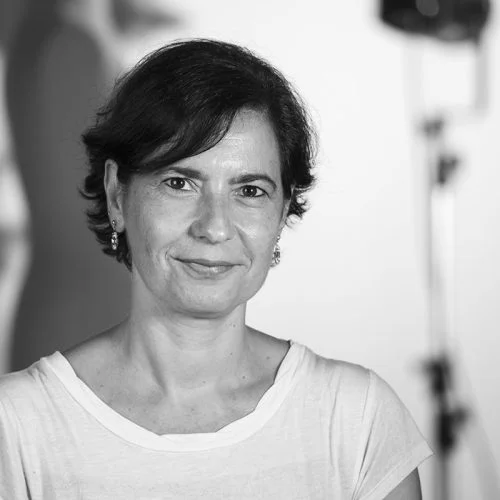
Bachelor of Fine Arts from the University of Barcelona (UB) and Doctor of Psychology from the Autonomous University of Barcelona (UAB). Postgraduate degree in Computer Animation Techniques from the Escola Pia de Sarrià. With over 20 years of experience in teaching, applied research, academic management, and quality assurance. She is currently a professor in the Department of Design Theory and Analysis and a member of the Design Theory, Analysis, and Development (TADD) research group at ESDI-URL.
-
CLOTHING DESIGNER

Higher degree in Graphic Design from EINA, Master’s degree in Image Consulting and Personal Shopping, and Higher Level Vocational Training Certificate in Tailored and Stage Costumes from ESDI. She has worked as a costume assistant in theater, film, and television, as well as a sewing assistant in ateliers. She has also worked as a graphic designer and art director in various studios and companies.
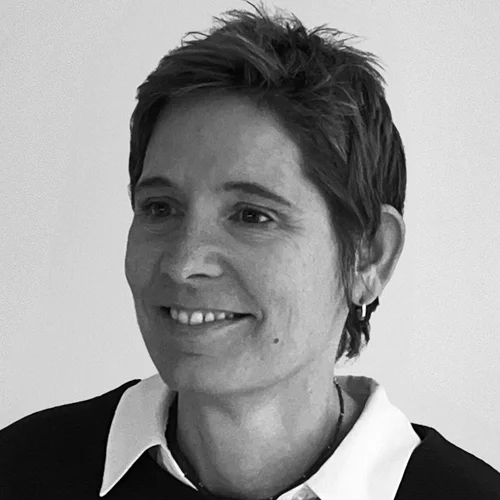
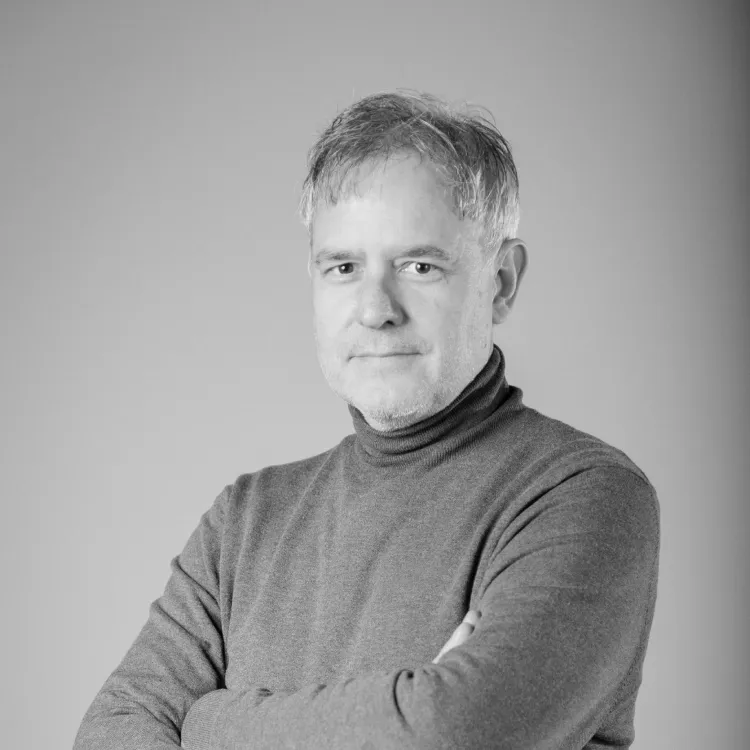
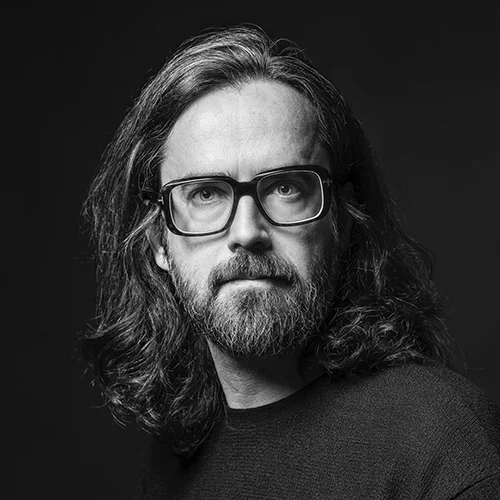
Common teaching collaborators
-
Painter and PhD in Fine Arts from the University of Barcelona. His work explores the potential of painting through the relationship between material and conceptual remnants of the creative process. He has exhibited in institutions and galleries such as the Arranz-Bravo Foundation, the Sabadell Art Museum, the Zhi Art Museum in Shenzhen, and the Shu Gallery, among others.
-
VISUAL ARTIST SPECIALIZING IN PHOTOGRAPHY
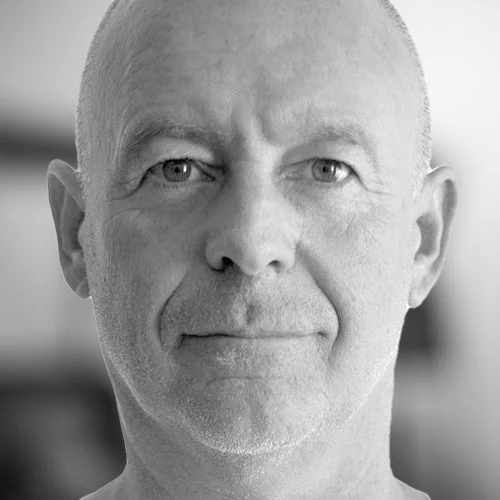
Laurea in Art and Photography from the Università del Progetto and PhD in Business Economics from the Università Luigi Bocconi. He has over 30 years of experience in the field of visual arts. His work has been exhibited in galleries and museums worldwide. In addition to his artistic practice, he works as an independent curator and consultant for schools, cultural institutions, and art companies.
-
Architect (ETSAB 2005), set designer, and teacher. He combines his architecture studio’s projects with teaching at the Instituto Ramar 2 and ESDI. Trained in set design and ephemeral architecture, he has participated in over 30 professional theater and contemporary dance productions and won the COAC Ephemeral Architecture Prize in 2021.
-
GRAPHIC DESIGNER SPECIALIZING IN CORPORATE IMAGE, EDITORIAL DESIGN AND PACKAGING
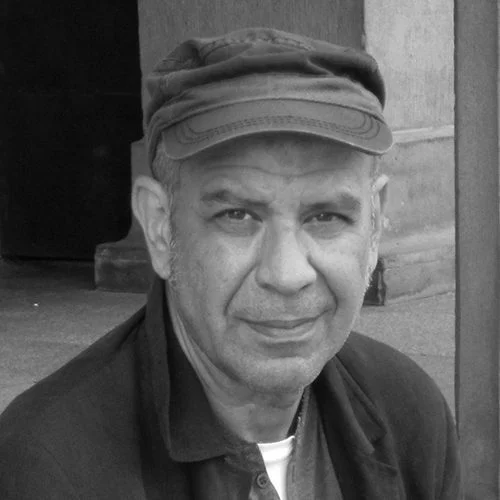
Architect from the University of Córdoba (Argentina) and Master’s Degree in Curating Art in New Media from ESDI-URL. Graphic designer specializing in corporate image, editorial design and packaging.
-
Graduate in Graphic Design from Elisava, Bachelor of Fine Arts from the University of Barcelona (UB), Master’s degree in Artistic Production and Research from the UB, and currently pursuing a PhD on the relationship between painting and music from the perspective of the philosophy of language at the UB. He combines his artistic and musical career with teaching at ESDI, the Faculty of Fine Arts at the UB, and Metáfora (Master’s in Art Therapy).
-
FASHION DESIGNER SPECIALIZING IN PRINTING
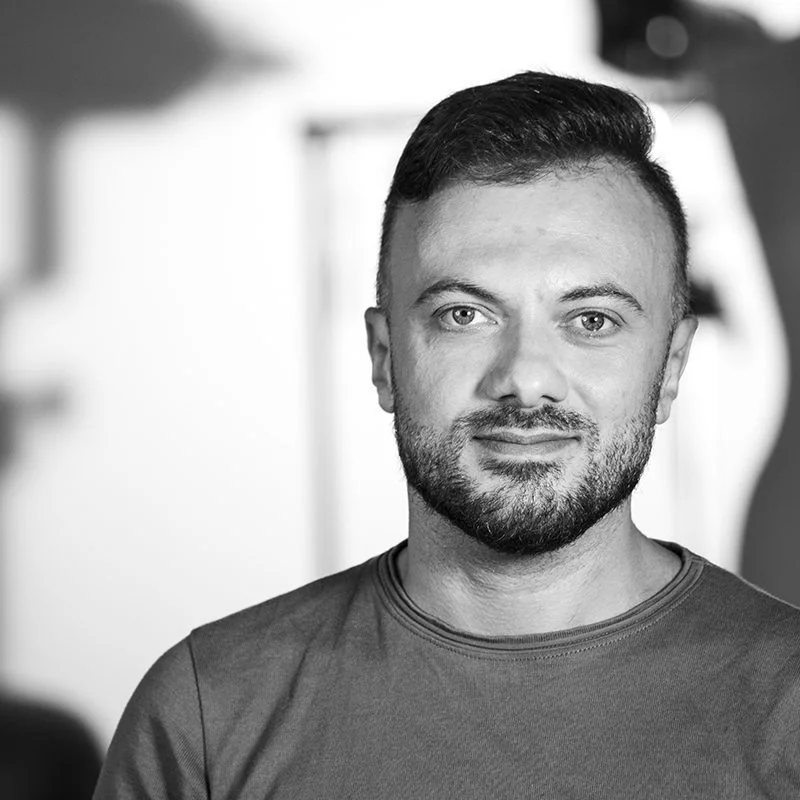
Fashion designer trained at ESDI and specialist in printing. He is the creative director and footwear designer for Gavary Group.
-
STRATEGIC CONSULTANT
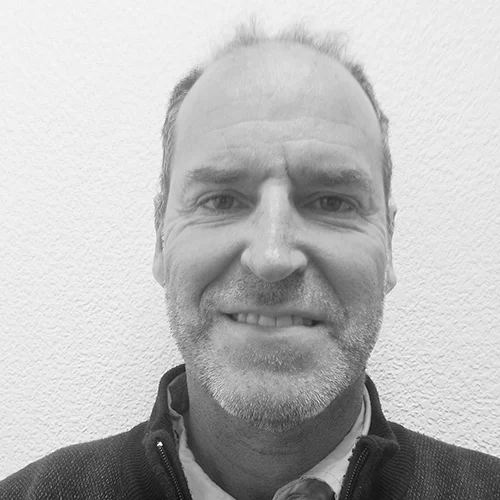
PhD specializing in Finance, Entrepreneurship, and Business Plans. University lecturer at ESDI, ESCI, ABAT OLIBA CEU, IED, UB, IQS, among others. Director and founder of Sintetiza.consulting. Llafranc Tourist Apartments 100%.
-
Contemporary graphic designer and jeweler with international training in Jerusalem, Italy, Germany, and France. She has taught in various countries across Europe and Latin America. Currently, she combines academic work, graphic design, and jewelry creation in her Barcelona studio. Her pieces have been exhibited in art galleries and fairs throughout Europe.
-
MASTER FASHION MANAGEMENT COORDINATOR AND FASHION DESIGNER
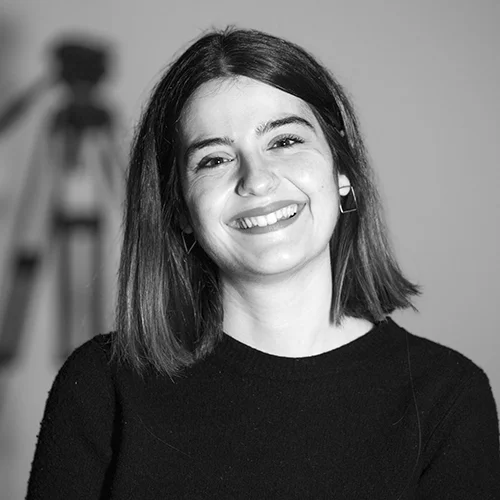
Graduate in Fashion Design, Master’s degree in Fashion Industry Management from ESDI-URL and a specialization in Strategic Management from IE University. An entrepreneur and founder of NiaLafoz, where we contribute an inclusive vision to the fashion world through creativity, strategy, and social commitment.
-
TEACHER AND POLICE COMMISSIONER

Doctor of Humanities from Pompeu Fabra University and Bachelor in Art History from Complutense University of Madrid. She works in teaching, cultural management, and exhibition curating. She has collaborated with the Fundació la Caixa, the MAPFRE Foundation, the Jeu de Paume in Paris, the architecture firm Carlos Arroyo Architects, and Contact Press Images.
-
She focuses her professional career on the areas of Habitat Health, Sustainability, and Energy Efficiency with La Companyia Verda. In the academic field, since 2016 she has collaborated with various design centers, teaching subjects such as Ecodesign, Sustainability, Professional Ethics, Ergonomics, and Habitat Health, among others.
Request Information
Do you have any questions? You can submit the form or contact us via WhatsApp, email, or phone.