
MASTER’S
FUTURES DESIGN
The Master’s in Futures Design at ESDI trains professionals capable of imagining, anticipating, and building possible futures through design. This in-person programme focuses on foresight, strategic innovation, and scenario building to intervene in contexts of social, technological, cultural, and ecological transformation.
Introduction
We live in a time marked by uncertainty, technological acceleration, the climate crisis, and the transformation of social, economic, and cultural systems. In this context, design can no longer be limited to responding to immediate needs: it must anticipate change, interpret emerging signals, and guide present decisions towards more sustainable, inclusive, and shared futures.
ESDI’s Master’s in Futures Design trains professionals capable of combining creativity, critical thinking, foresight research, and strategy. Through an interdisciplinary methodology, the programme enables students to explore possible, probable, and desirable futures, translating them into narratives, scenarios, strategies, and prototypes with real-world impact.
Key Information
-
DEGREE
Master’s in Futures Design. ESDI-certified programme
-
PRICE
€8,900. Request more information about our scholarship and grant programme, as well as our payment and financing options
-
CREDITS AND DURATION
60 ECTS credits completed over one academic year
-
MODE
In person at ESDI Sabadell (C/ Marquès de Comillas, 81-83, 08202 Sabadell, Barcelona)
-
NEXT INTAKE
October 2027
-
LANGUAGE
Spanish and English
Curriculum
The Master’s in Futures Design comprises 60 ECTS credits and is structured into compulsory subjects, elective subjects, and a Master’s Final Project. The curriculum combines theoretical foundations, foresight research methodologies, speculative design, futures prototyping, social innovation, and sustainability.
-
M1. FUNDAMENTALS OF FUTURES THINKING (10 ECTS).
• Introduction to foresight and systems thinking (5 ECTS)
• Systems theory and complex thinking (5 ECTS) -
M2. FORESIGHT RESEARCH METHODOLOGIES (10 ECTS).
• Methods for detecting weak signals and analysing trends (5 ECTS)
• Scenario building and participatory foresight (5 ECTS) -
M3. DESIGN AND PROTOTYPING OF FUTURES (11 ECTS).
• Speculative and critical design strategies (5 ECTS)
• Prototyping and futures visualisation laboratory (6 ECTS) -
M4. ELECTIVE SUBJECTS:
• Design and public policy (5 ECTS)
• Futures of work and education (5 ECTS)
• Ecological transitions and sustainability (4 ECTS) -
M5. MASTER’S FINAL PROJECT (15 ECTS).
Through an applied research or intervention project, students demonstrate their ability to formulate, develop, and communicate a proposal aligned with the principles of futures design: critical vision, methodological rigour, strategic creativity, and ethical commitment. The Master’s Final Project can take different forms: foresight research in collaboration with institutions or companies, the development of innovation strategies and future scenarios, the design and prototyping of speculative artefacts or experiences, or projects focused on sustainability, education, and social transformation.
Methodology
The master’s programme combines pedagogical and design methodologies, integrating critical reflection, applied research, experimentation, collaborative work, and project development. Theoretical subjects provide the analytical framework needed to connect design with the sociocultural, economic, and technological processes that shape contemporary environments. Practical subjects enable students to acquire specific tools and languages for analysing, representing, and communicating future scenarios.
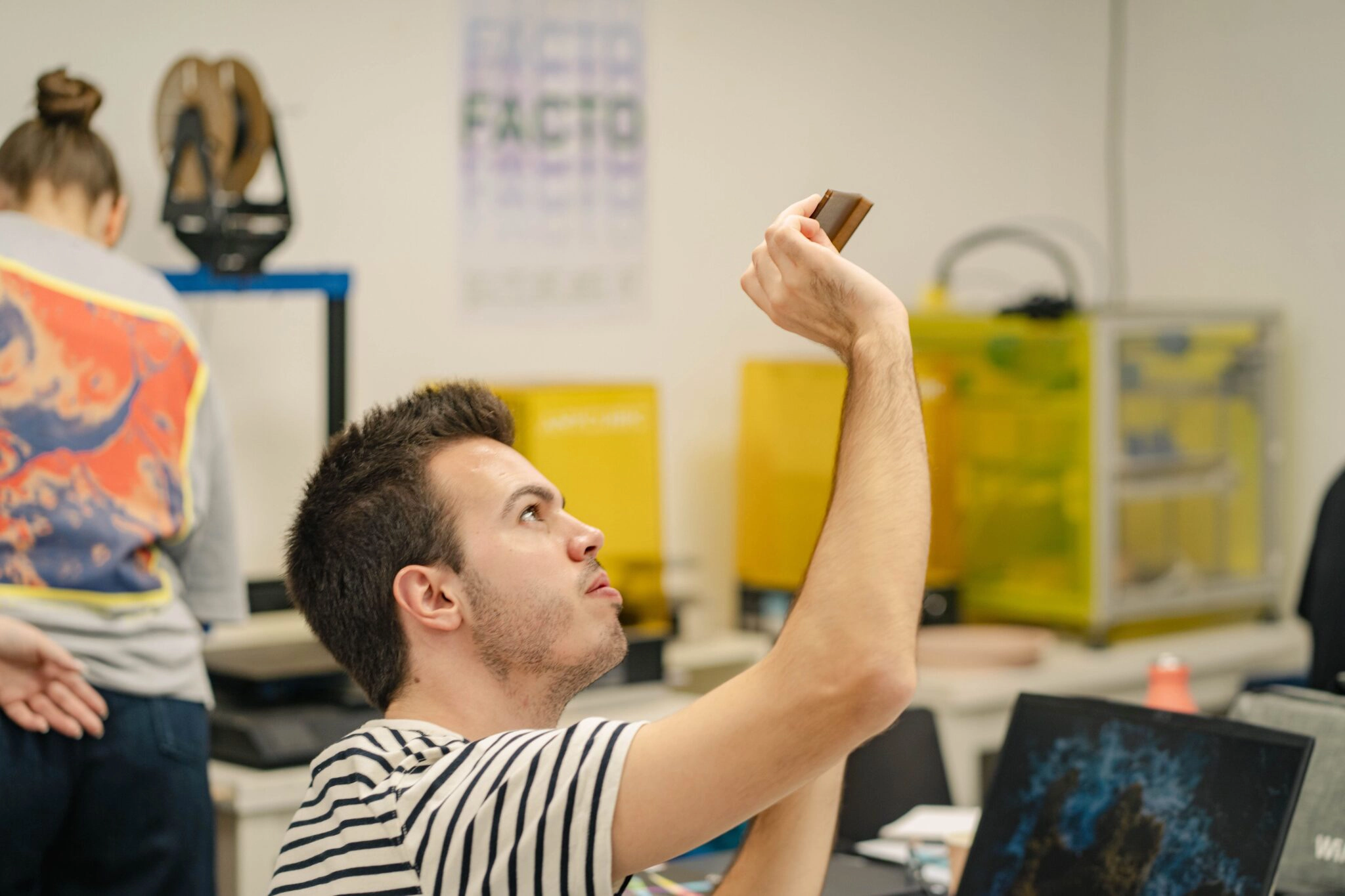
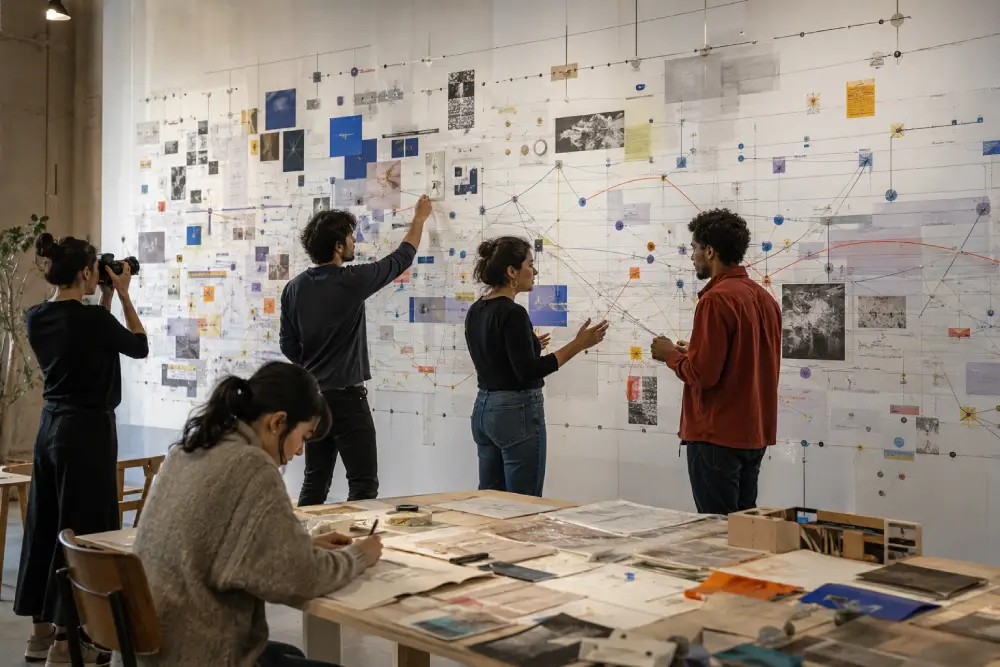
Project-based subjects form the practical core of the programme. Students work on challenges, briefs, workshops, and processes involving research, ideation, experimentation, and formalisation. The programme’s methodological approach promotes autonomy, participation, critical thinking, and the ability to work in interdisciplinary teams. It also fosters the integration of ethical, social, and sustainable values throughout all phases of the design process.
Career Opportunities
The Master’s in Futures Design at ESDI prepares professionals capable of working in complex environments where uncertainty, transformation, and the interdependence between systems require new ways of thinking and acting.
-
Strategic designer
-
Innovation consultant
-
Applied foresight researcher
-
Futures design specialist
-
Future scenarios and narratives designer
-
Transformation project manager
-
Social innovation and sustainability consultant
-
Organisational or social change facilitator
-
Speculative experience designer
-
Participatory and co-creation process facilitator
-
Research profile in design, foresight, and applied innovation
The programme is aimed at graduates in design, social sciences, philosophy, anthropology, history, art history, fine arts, visual arts, architecture, humanities, art criticism, multimedia production, communication studies, cultural management, or other related disciplines. It is especially suited to creative, strategic, and research-oriented profiles who want to expand their ability to analyse complex contexts, anticipate transformations, and develop future-oriented proposals through design. It is also aimed at people interested in social innovation, sustainability, applied foresight, institutional transformation, visual culture, and strategic design. Admission will take into account the candidate’s academic record, professional experience, suitability for the programme, motivation letter, recommendation letters, English proficiency, and personal interview.
-
Train professionals capable of imagining, anticipating, and building possible and desirable futures through the critical and strategic use of design.
-
Understand the complexity of the present and analyse the social, technological, cultural, economic, and ecological changes that shape contemporary scenarios.
-
Detect emerging trends, weak signals, and transformation dynamics to translate them into future scenarios, strategies, and prototypes.
-
Develop systemic, critical and reflective thinking, integrating research, foresight, creativity and project-based practice.
-
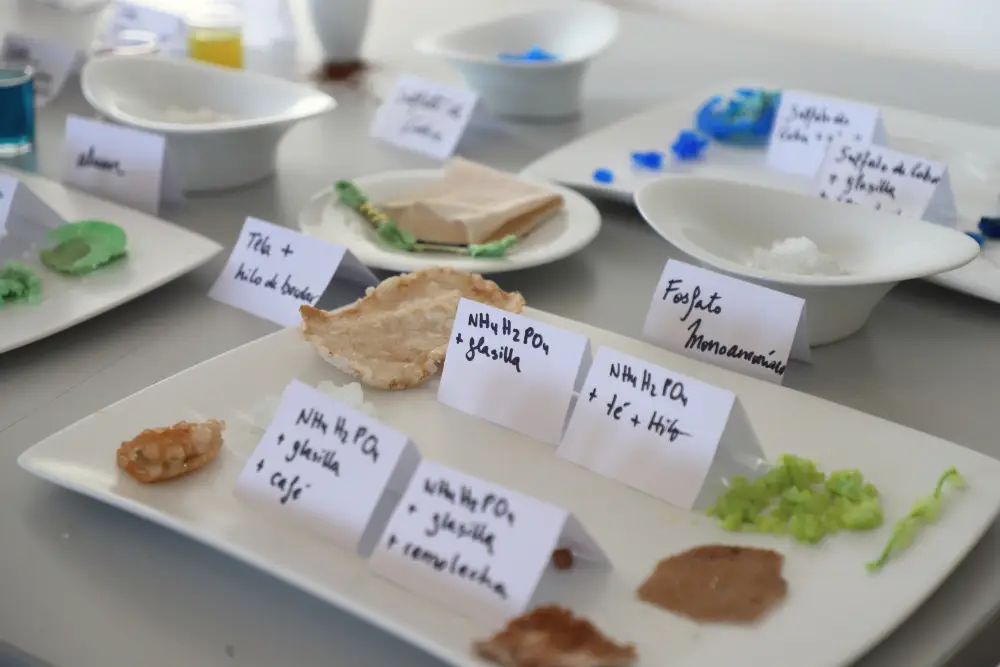
Apply methodologies of foresight, speculative design, trend analysis, storytelling, data visualisation, and material experimentation.
-
Design participatory processes where the future is understood as a collective construction linked to common well-being, sustainability and social responsibility.
-
Question the dominant narratives about the future and build more pluralistic, inclusive, and contextualised visions.
-
Lead innovation, applied research or strategic design projects in public, private, institutional or community environments.
-
Act as a mediator between creativity, strategy and practical implementation, contributing to generating a positive impact on organisations and society.
Request Information
Do you have any questions? You can submit the form or contact us via WhatsApp, email, or phone.