
ADVANCED MASTER
DRESSMAKING ATELIER
Turn your sewing skills into the ability to create custom-made garments. Master pattern making, garment construction, and tailoring; solve alterations and modifications; and build a portfolio that showcases your technical expertise and the quality of your work.
Introduction
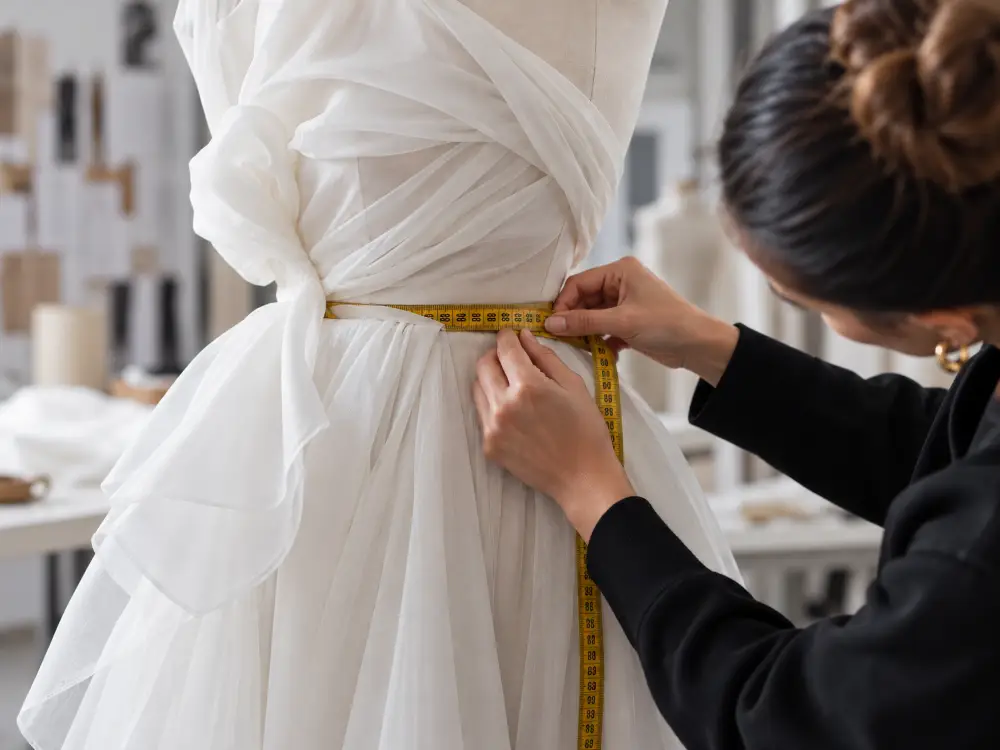
The Master’s in Dressmaking Atelier at ESDI Advanced Education prepares you to develop custom-made garments with technical expertise and independence. You will learn to interpret designs, take measurements, construct and adapt patterns, and choose the right materials for each project. You will explore the relationship between body, fabric, and garment to understand how a piece is constructed, identify fit issues, and apply solutions that improve its balance, comfort, and final finish.
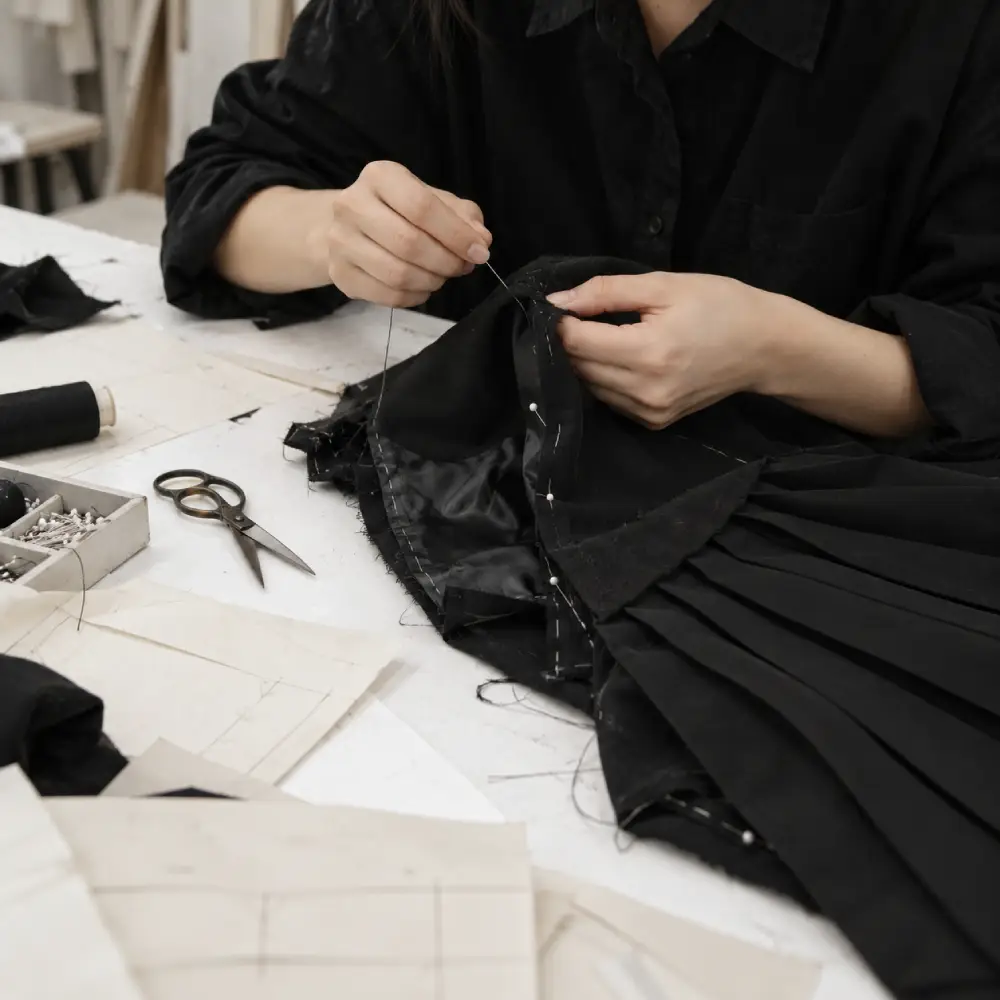
The programme is structured around five projects: dresses, blouses, trousers, jackets, and garment alterations or reconstruction. Through workshop practice, body fittings, and personalised adjustments, you will progress to more complex pieces. You will also learn to restore and transform existing garments. The master’s programme culminates in a professional portfolio showcasing your work, processes, and solutions, supported by AI for documentation and communication.
Key information
-
CERTIFICATION
ESDI Advanced Education’s own certificate. Private, non-university training without ECTS credits
-
PRICE
To be consulted
-
DURATION AND SCHEDULE
225 hours, distributed between 2-3 days per week and 3-4 hours per day
-
MODE
In person at ESDI Sabadell (C/ Marquès de Comillas, 81-83, 08202 Sabadell, Barcelona)
-
NEXT CALL FOR APPLICATIONS
April 2027
-
LANGUAGE
Spanish
Curriculum
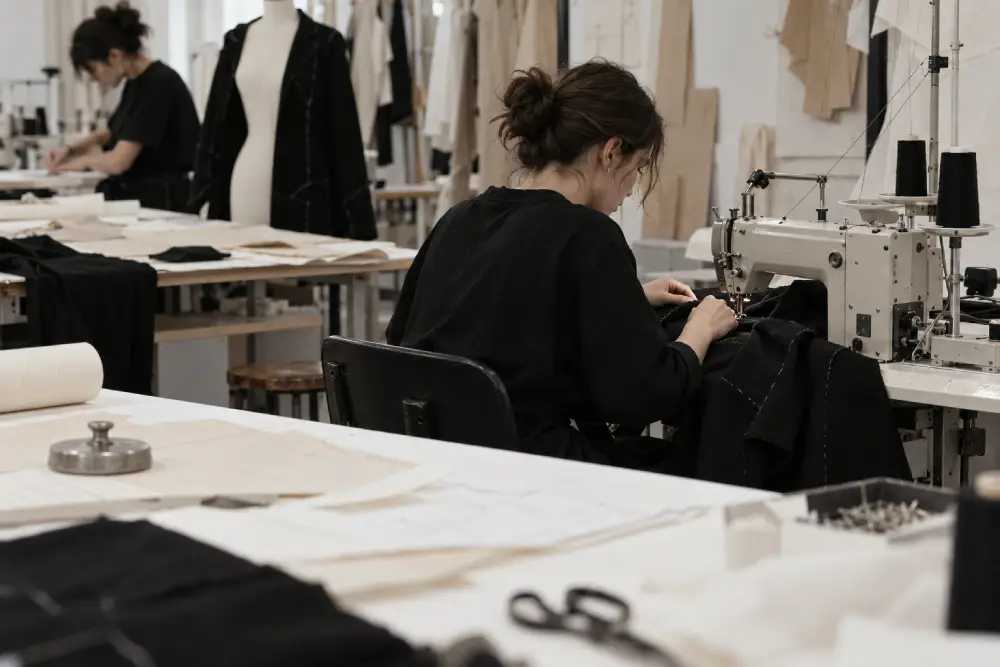
Each module presents a challenge typical of working in an atelier: altering a dress, transforming a blouse, balancing trousers, structuring a jacket, and modifying existing garments. Through these projects, you will develop a working method that connects analysis, pattern making, sewing, and alterations. The programme culminates in a portfolio that documents your skills and technical development.
-
M1. THE WELL-FITTING DRESS.
· Technical interpretation of the design, analysis of lines and proportions, and process planning.
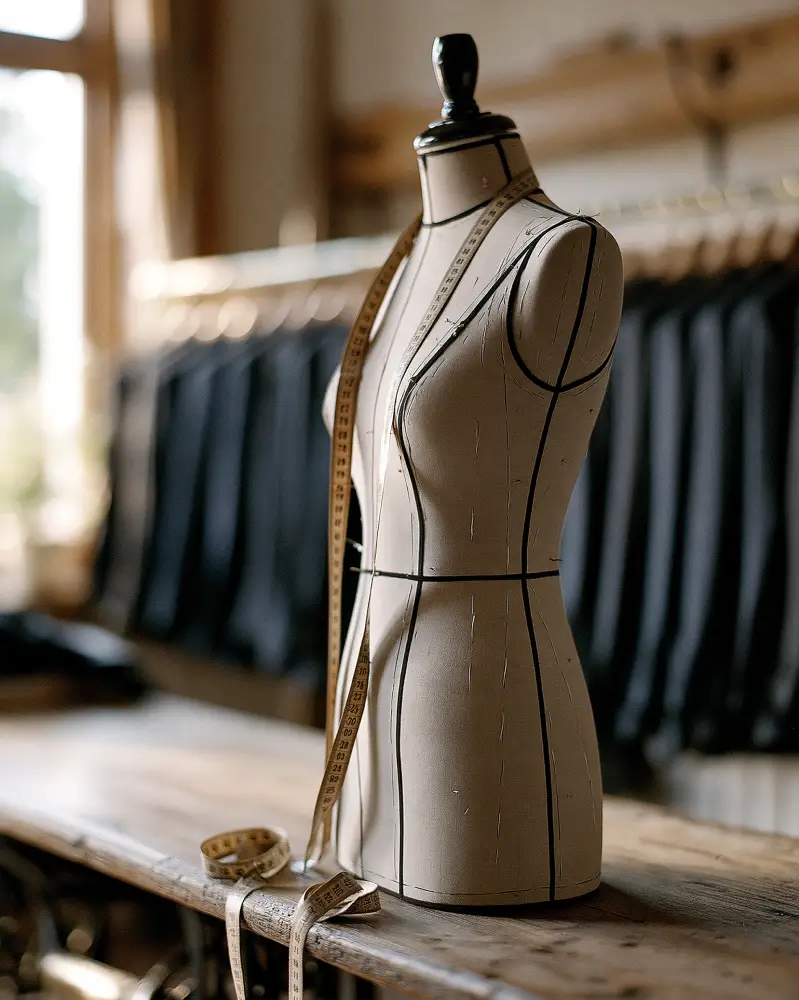
· Taking measurements, morphological analysis and construction of the base pattern.
· Transformation of darts, cuts, necklines, armholes and volumes.
· Pattern making for sleeves and skirts and adaptation to the design.
· Selection of fabrics, interlinings, linings and trimmings and preparation of the cut.
· Assembly order, joints, zippers and lining placement.
· Tests on the body, identification of defects and correction of the pattern, balance and poise.
· Ironing, interior finishing, quality control and process documentation.
-
M2. THE FANTASY BLOUSE.
· Interpretation of the design and transformation of the base pattern.
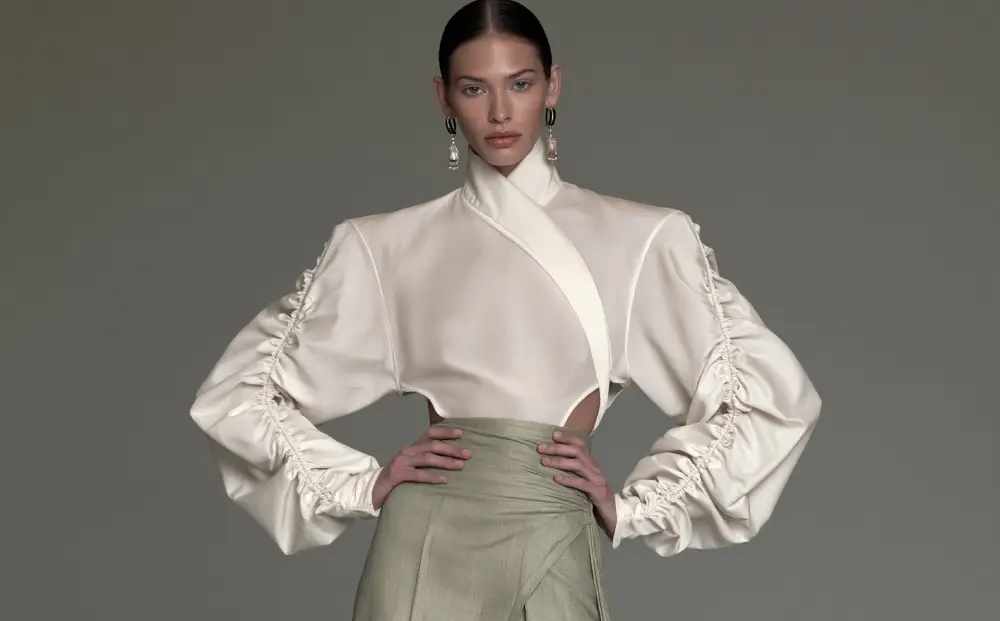
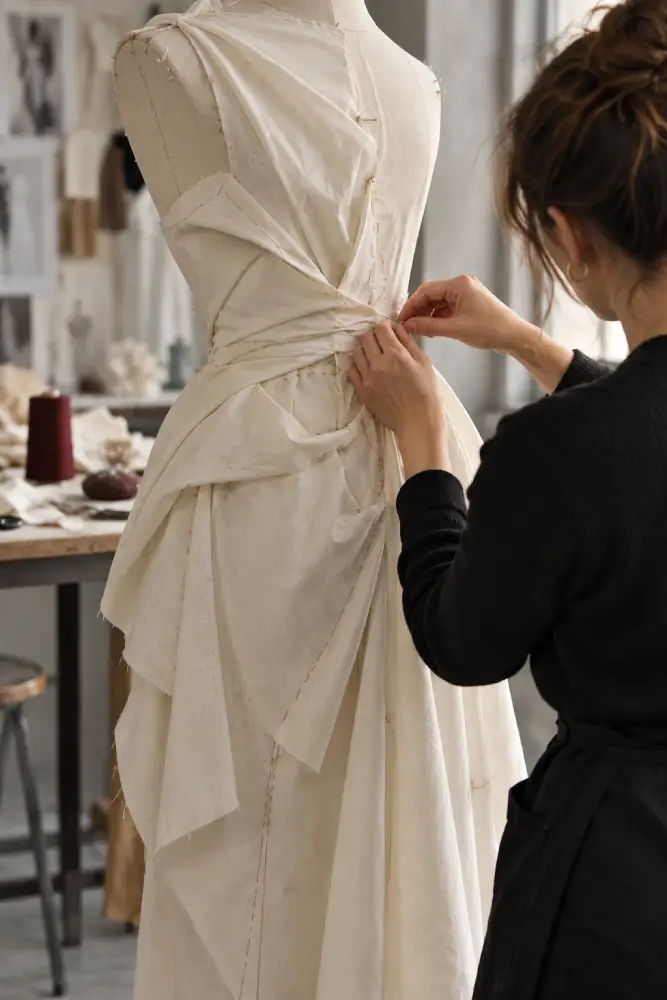
· Gathering, pleating, draping and building volumes.
· Collars, necklines, voluminous sleeves and cuffs.
· Made with lightweight fabrics.
· Flaps, buttons, closures and interior finishes.
· Adjustment tests, corrections and preparation of the technical data sheet.
-
M3. THE TAILORED TROUSERS.
· Body analysis and taking specific measurements for the pants.
· Pattern construction and transformation: crotch, waist, hip, thigh and hem.
· Definition of silhouettes, pockets and waistbands.
· Construction of fly, zipper, pockets, waistband and lining.
· Fitting tests and corrections of crotch, hip, thigh and length.
· Balance, poise, finishes and documentation of corrections.
-
M4. THE JACKET IS IMPECCABLE.
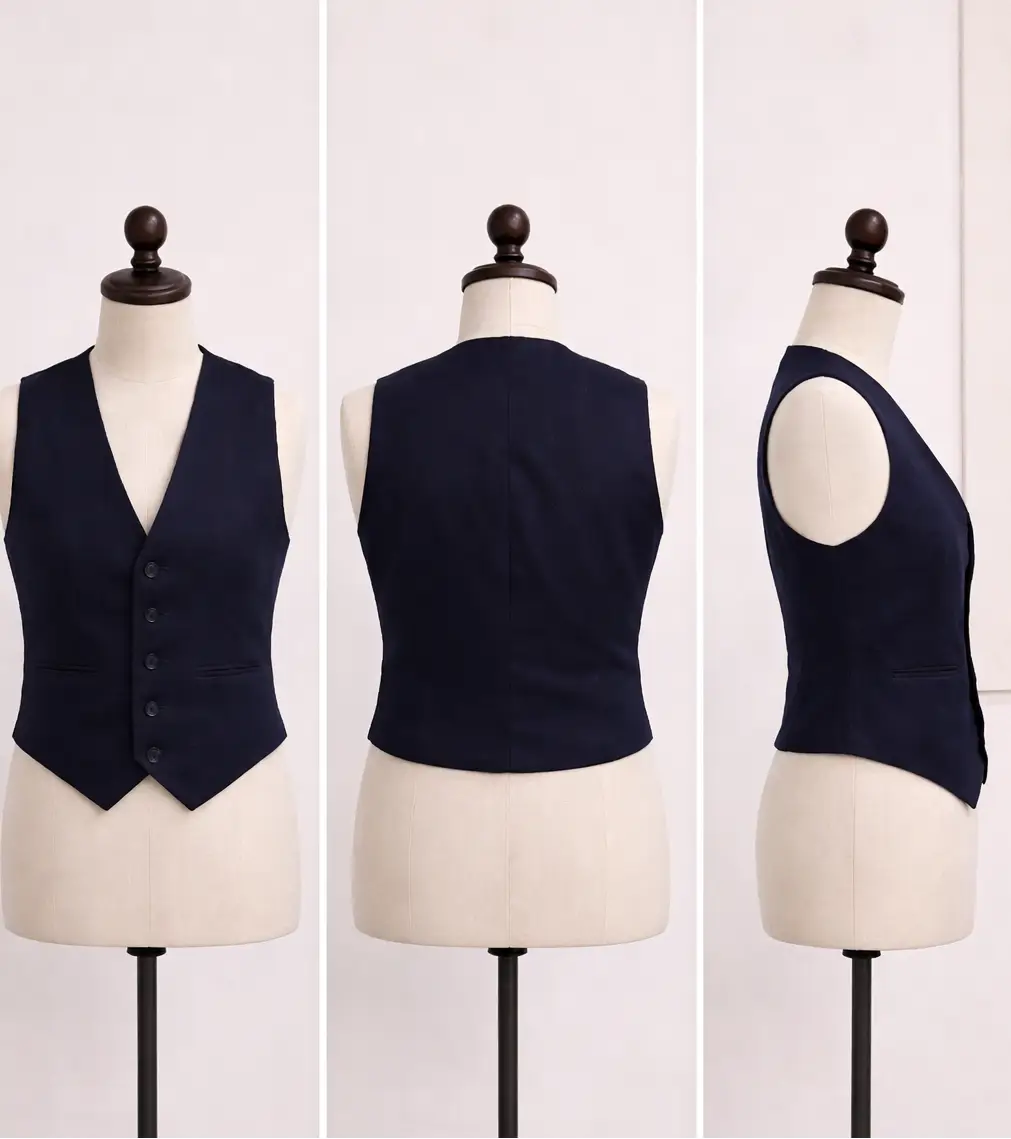
· Jacket architecture, components and order of construction.
· Pattern making for body, shoulder, armhole, collar, lapels and sleeve of two pieces.
· Structuring with interlinings, reinforcements, shoulder pads and supports.
· Making pockets, closures, sleeves, lining and interior construction.
· Technical ironing, molding, plumbness and symmetry.
· Fitting tests, corrections and adjustments.
· Professional finishes, technical documentation and quality assessment.
-
M5. GARMENT REPAIRS AND REBUILDING.
· Diagnosis of the garment: structure, materials, construction and state of conservation.
· Alterations of sizes, contours, lengths, sleeves, waists, zippers and closures.
· Transformation of silhouettes, pockets and details and adaptation to new uses.
· Dismantling, recovery of materials and partial reconstruction.
· Reuse, upcycling and defect resolution.
· Feasibility of the intervention, assessment of the work and communication with the client.
· Quality control and documentation of the diagnosis and the applied solution.
-
M6. FINAL PROJECT. PROFESSIONAL AND AI PORTFOLIO.
· Selection and organisation of the projects carried out during the program.
· Photographic documentation of garments, processes and results, with before and after comparisons.
· Preparation of technical data sheets: materials, pattern making, techniques and corrections.
· Structure, narrative and presentation of the portfolio and professional profile.
· Artificial intelligence tools for organising, writing and reviewing documentation and preparing presentations.
· Review, presentation and defense of the final portfolio.
Methodology
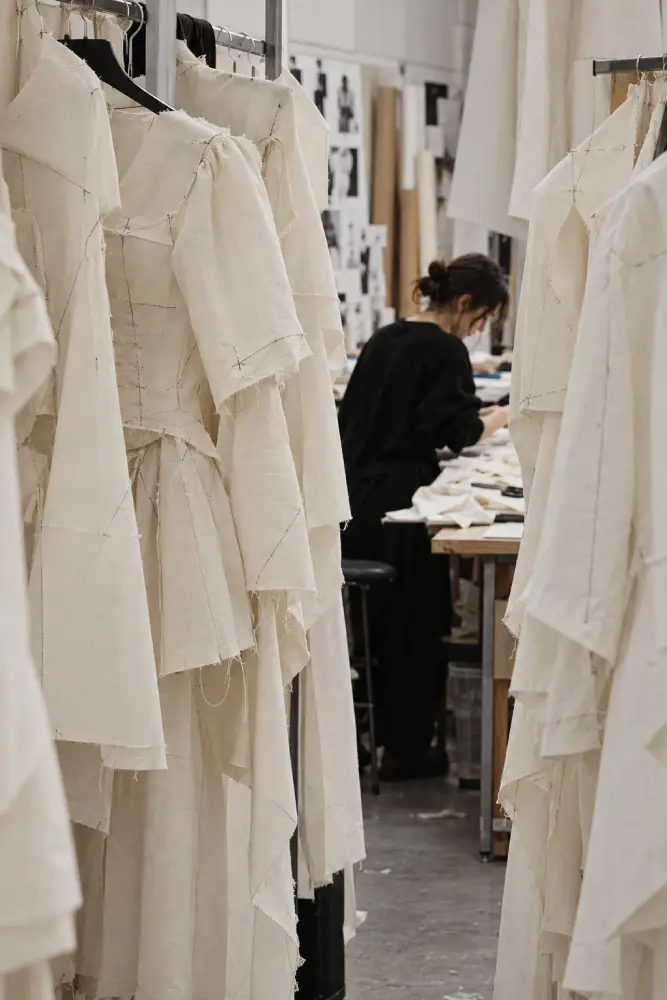
You’ll learn by working with complete garments and navigating typical atelier situations. Each project builds upon the previous one and introduces new challenges in pattern making, sewing, and fitting. Fitting and individual adjustments will help you identify the root causes of problems, evaluate alternatives, and decide how to intervene in the pattern or garment.
The evaluation is continuous and practical: it takes into account pattern-making accuracy, technical execution, fitting, finish quality, and your ability to independently resolve issues. You will document the processes, tests, and corrections to build a portfolio that allows you to present your work to clients, workshops, brands, or potential employers.
Career opportunities
The master’s programme allows you to refine your skills and expand the services you can offer in the field of bespoke tailoring. Depending on your training and experience, you can focus your career on:
-
Tailor-made dressmaking and personalised tailoring in workshops and ateliers.
-
Pattern making, fitting and adaptation of garments to different body types.
-
Manufacturing of jackets and structured garments.
-
Clothing alteration and transformation services.
-
Reconstruction and upcycling of existing garments.
-
Development of my own dressmaking atelier.
-
Technical collaboration with brands and designers in garment development, prototyping, fitting and tailoring.
The programme is aimed at dressmakers, tailors, garment workers, pattern makers, and fashion designers who want to refine their technique, expand their services, or gain control over the construction and fitting of their designs. It is also intended for those who want to launch their own atelier or turn their sewing practice into a professional activity.
To participate in the practical work, prior sewing skills in dressmaking, tailoring, garment making, pattern making, or fashion design are required. The programme is open to individuals with this background who wish to develop greater precision, independence, and the ability to create and design garments.
-
Interpret garments and designs from a technical perspective and plan their development.
-
Taking measurements, analysing body proportions, and adapting patterns to different morphologies.
-
Building and transforming patterns to develop custom-made garments.
-
Select the right fabrics, materials, and techniques for each project.
-
To make complete garments with criteria of precision, functionality and quality.
-
Perform tests on the body, diagnose fit problems, and apply corrections.
-
Perform alterations, transformations and reconstructions on existing garments.
-
Solve sewing problems and achieve professional finishes independently.
-
Document the processes and present a professional portfolio with AI tools as support.
Programme conceptualisation
-
DIRECTOR OF THE CREATE LAB
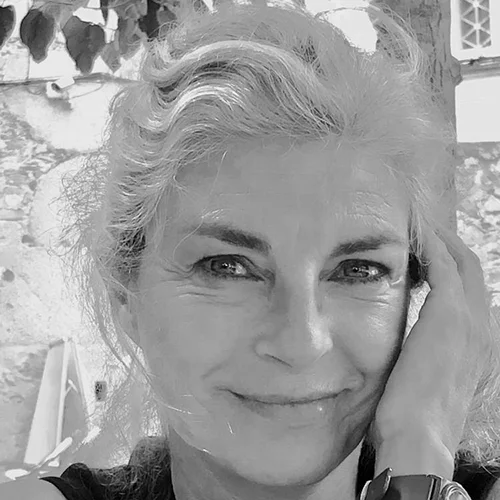
Graduate from ESDI with a degree in Textile and Fashion Design, and a Master’s in Digital Art Curating from ESDI-URL. She has completed courses in digital design and knitwear technology at Shima-Seiki and currently collaborates on various research projects for ESDI on new materials and color trends. She has coordinated the textile and garment-making vocational training programs and has been a teacher since the 1999-2000 academic year.
Request information
Do you have any questions? You can submit the form or contact us via WhatsApp, email, or phone.