
ADVANCED MASTER
BESPOKE TAILORING
Specialise in pattern making, construction, and fitting of contemporary menswear. Develop custom trousers, shirts, vests, and blazers, and turn your workshop work into a portfolio that showcases your judgment and technical skills.
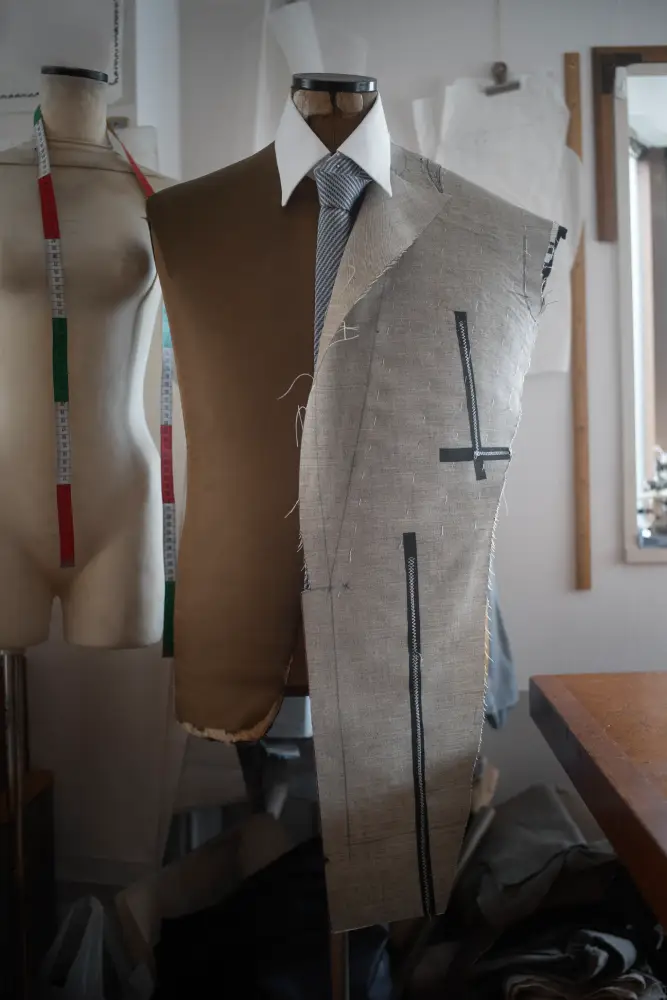
Introduction
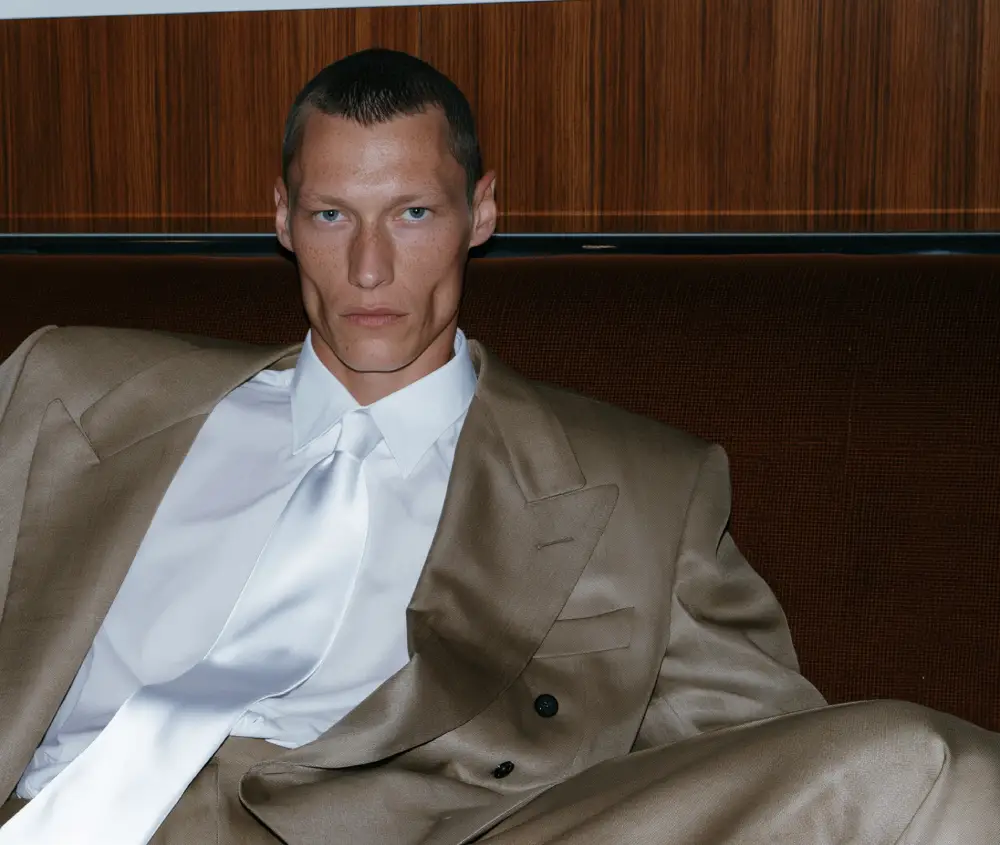
The ESDI Advanced Master’s in Bespoke Tailoring prepares you to handle a complete men’s tailoring order, from taking measurements to the final touches. You will learn to interpret the client’s morphology, develop custom patterns, and construct garments that respond to their body and needs. This advanced training will deepen your understanding of the craft, refine your technical skills, and allow you to work on the fit, structure, and quality of each piece with a comprehensive view of the process.
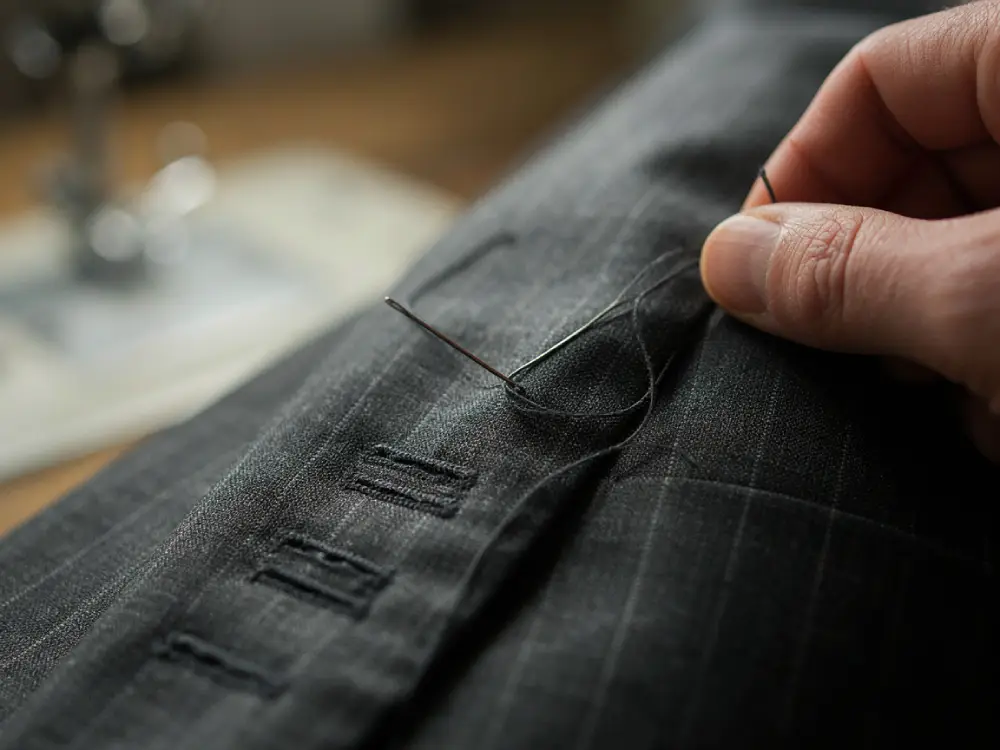
The programme focuses on four essential garments: trousers, shirt, waistcoat, and structured blazer, and incorporates accessories and a final project. Through hands-on workshop practice, demonstrations, and individual feedback, you will work on pattern making, internal construction, pressed garments, and hand finishing. The learning culminates in a professional portfolio that documents your pieces, fittings, and revisions, using digital tools and artificial intelligence to enhance its presentation.
Key information
-
CERTIFICATION
ESDI Advanced Education’s own certificate. Private, non-university training without ECTS credits
-
PRICE
To be consulted
-
DURATION AND SCHEDULE
225 hours, distributed between 2-3 days per week and 3-4 hours per day
-
MODE
In person at ESDI Sabadell (C/ Marquès de Comillas, 81-83, 08202 Sabadell, Barcelona)
-
NEXT CALL FOR APPLICATIONS
April 2027
-
LANGUAGE
Spanish
Curriculum
The curriculum covers garments and the fundamental processes of bespoke tailoring. In each module, you will connect pattern making with construction, fittings, and alterations, developing pieces that will be added to your professional portfolio.
-
M1. CONTEMPORARY TAILORING: THE CLASSIC TROUSERS UPDATED.
· Technical analysis of the trousers and taking specific measurements.
· Custom basic pattern: rise, hip, waist and inseam.
· Darts, pleats, widths and silhouettes: balance and poise.
· Preparation and cutting of the fabric.
· Making pockets, fly, waistband, lining, loops and closures.
· Fit testing and diagnosis: rise, waist, hip, drop and length.
· Corrections to the garment and the pattern, and final finishes. -
M2. CUSTOM-MADE SHIRT SHIRTS.
· Technical analysis of the shirt and taking measurements.
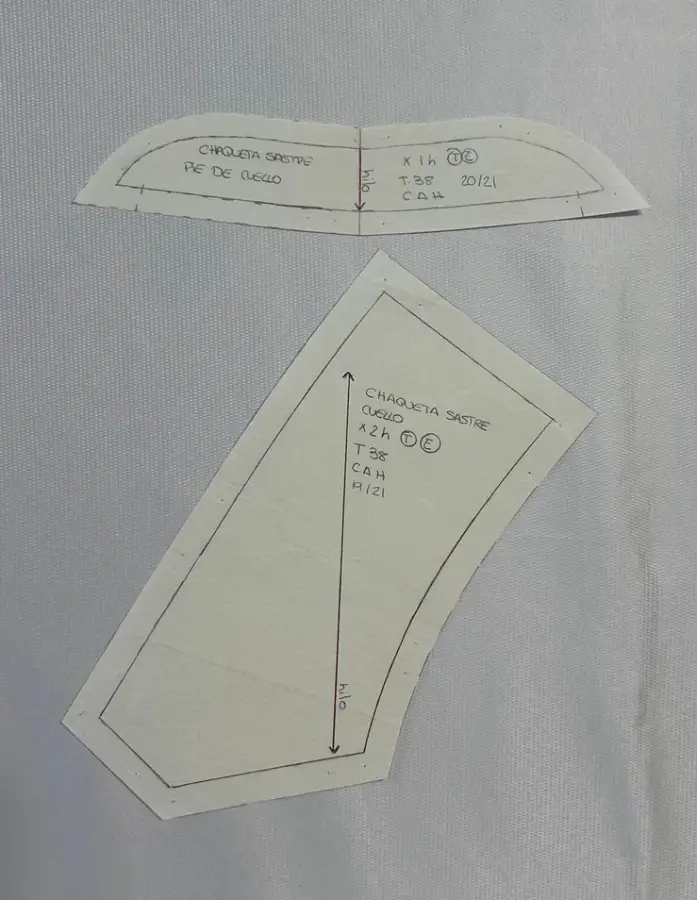
· Pattern making for the body, back and yoke.
· Construction of the neck and neck foot: typologies and variations.
· Sleeves, cuffs, plackets, buttons and pockets.
· Darts, gathers and pleats to adapt the garment to different body types.
· Sewing techniques, seams and interior finishes.
· Testing and adjustment corrections. -
M3. COMPARATIVE TAILORING: ENGLISH OR ITALIAN JACKET?
· Custom pattern making for the body, back, sides and sleeve of two pieces.
· Preparation of the fabric, interlinings, reinforcements and internal structure.
· Construction of shoulders, lapels, collar and welt pockets with flap.
· Assembly of sleeves, openings, lining and buttons.
· Construction ironing: shaping the chest, lapels and sleeves.
· Analysis of balance and poise during the tests.
· Diagnosis and corrections of shoulders, back, chest, waist, sleeves and length. -
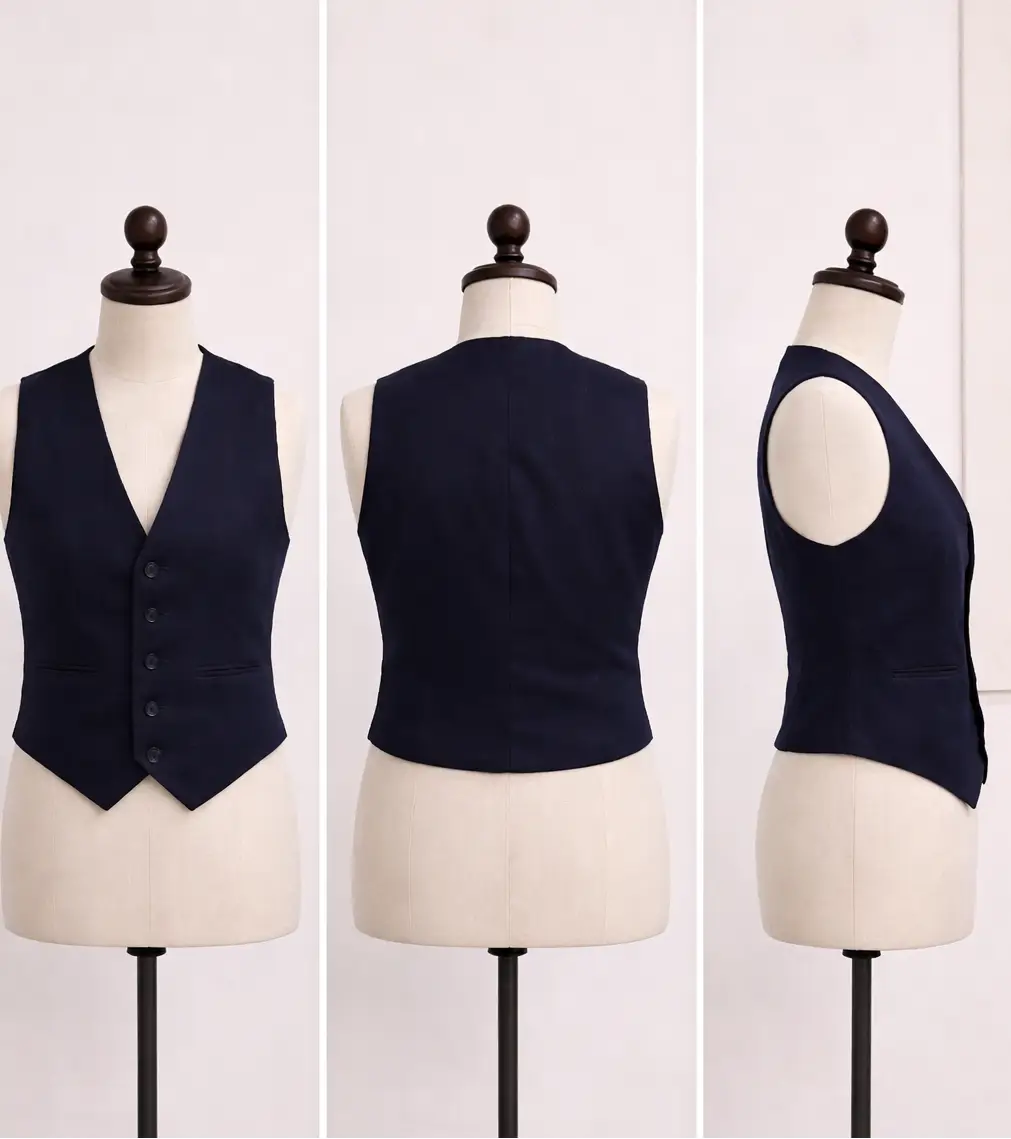
M4. THE THIRD PIECE: THE VEST.
· Vest analysis and measurement.
· Custom pattern: neckline, armhole, back and darts.
· Construction of pockets, facings, lining and buttoning.
· Internal structure, balance and adjustment of the torso.
· Tests and corrections on the garment.
· Coordination of the vest with the shirt and the blazer. -
M5. THE GENTLEMAN’S ACCESSORIES.
· Ties, pocket squares and small textile accessories.
· Sewing techniques and manual finishing.
· Coordination of accessories with the tailoring ensemble.
· Professional presentation and preservation of the pieces. -
M6. FINAL PROJECT. PROFESSIONAL AND AI PORTFOLIO.
· Selection of garments, product and detail photography.
· Preparation of technical data sheets and organization of patterns and samples.
· Process documentation: test log, adjustment problems and corrections.
· Portfolio structure, professional writing and presentation of results.
· Digital tools and AI applied to the organisation, documentation and communication of work.
· Presentation of the pieces and the technical criteria that have guided their development.
Methodology
Learning takes place in the workshop through technical explanations, instructor demonstrations, and supervised individual practice. Each garment allows participants to go through the entire process: measuring, pattern making, construction, fitting, analysis, correction, finishing, and documentation. The difficulty increases progressively to solidify techniques and connect pattern-making decisions with the final garment.
Individualised feedback accompanies your work throughout the entire process. Adjustment issues are addressed as technical problems that you will learn to identify and resolve, and testing is conducted on people whenever possible. The pieces developed in the modules are incorporated into the final project to showcase both the results and the technical reasoning behind them.

Career opportunities
Depending on your training and experience, this specialisation allows you to focus your activity on profiles such as:
-
Tailor specialising in custom-made men’s clothing
-
Tailoring workshop or atelier professional
-
Pattern maker specialising in tailoring
-
Garment fitting, adjustment and adaptation technician
-
Professional in custom-made costumes for audiovisual and stage productions
-
Responsible for the development of personalized garments
-
Self-employed professional with their own tailoring service
The programme is aimed at graduates in Fashion Design, advanced technicians in Pattern Making and Fashion, and professionals in pattern making, garment making, and bespoke clothing. It is also designed for dressmakers, tailors, and textile professionals who wish to specialise in men’s tailoring or develop their own service.
Prior knowledge of sewing, operating a sewing machine, and basic pattern making is required to take advantage of the pace and technical level of the training.
-
Analyse the client’s morphology and take specific measurements for each garment.
-
Develop custom patterns and adapt to different silhouettes and proportions.
-
Select and prepare materials, interlinings and reinforcements for garment construction.
-
Tailor-made trousers, shirts, vests and blazers.
-
Apply ironing as a construction and modeling technique.
-
Diagnose problems of balance, poise and fit, and correct them on the garment and the pattern.
-
Execute interior, exterior and manual finishing with precision.
-
Document and present the work in a professional portfolio, using digital tools and AI as support.
Programme conceptualisation
-
DIRECTOR OF THE CREATE LAB

Graduate from ESDI with a degree in Textile and Fashion Design, and a Master’s in Digital Art Curating from ESDI-URL. She has completed courses in digital design and knitwear technology at Shima-Seiki and currently collaborates on various research projects for ESDI on new materials and color trends. She has coordinated the textile and garment-making vocational training programs and has been a teacher since the 1999-2000 academic year.
Request information
Do you have any questions? You can submit the form or contact us via WhatsApp, email, or phone.