

The current fashion paradigm is based on the three “R’s”: Reduce, Reuse, and Recycle. The upcycling concept falls into the reuse category, promoting the product’s useful life through modifications to improve its quality. Instead of discarding garments with minor defects or no possibility of sale, their transformation is encouraged, constituting an inspiring exercise for Fashion Design students.
In this context, the collaboration between the renowned youth fashion brand Kaotiko and our school becomes relevant. Kaotiko has given garments with imperfections to the students of the Departmental Intensification course, allowing them to work with them and generate new designs. The initiative of Kaotiko, a “made in Barcelona” brand that has been around for 25 years, stands out for bringing fashion to the street, fostering a community that shares more than just a lifestyle. Its commitment to local production and responsible consumption contrasts with fast fashion, giving its garments an exclusive character.

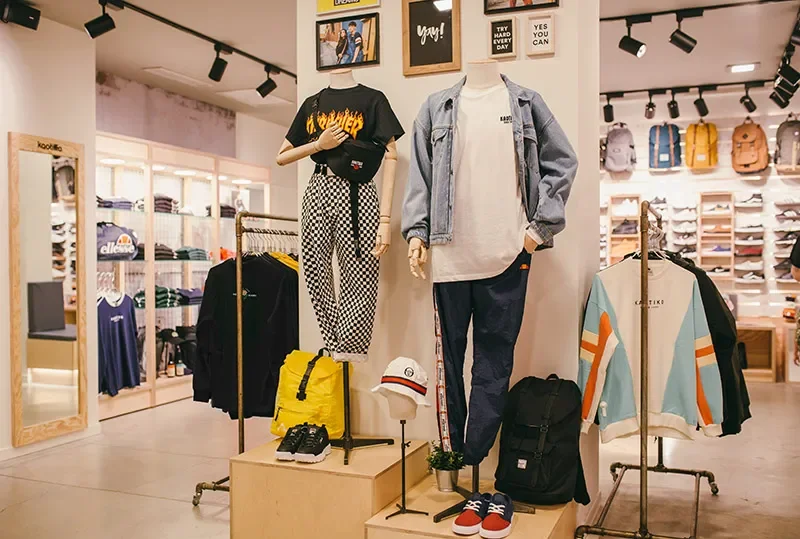
The project on which the future designers have embarked consists of creating outfits from the pieces and fabrics provided by Kaotiko. After a brief analysis and search for inspiration, the students have put their tailoring skills into practice to obtain new results.
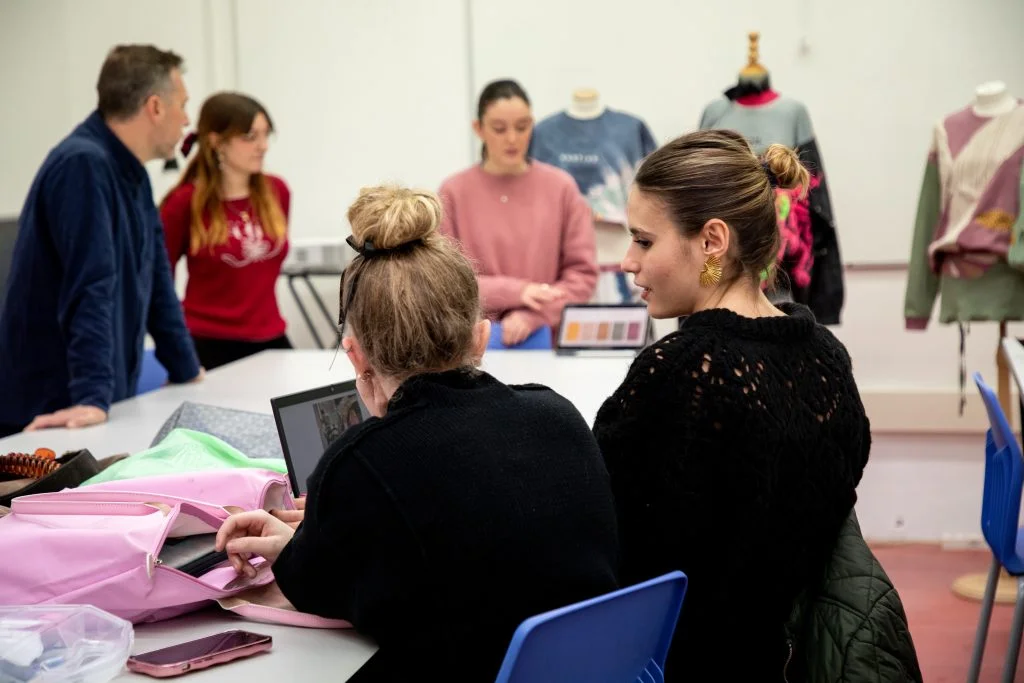
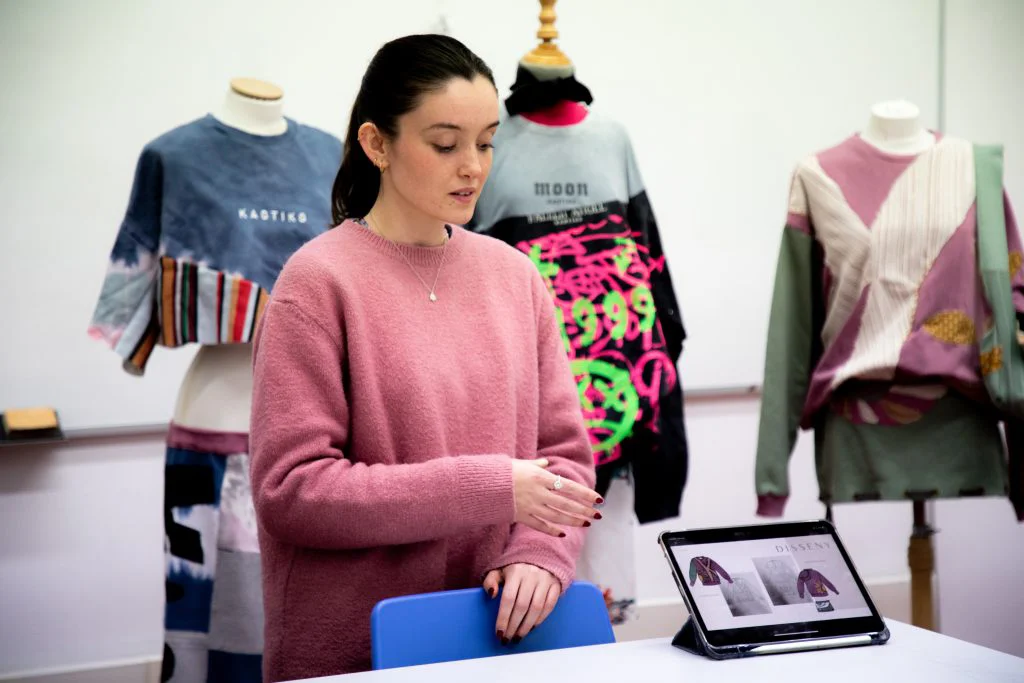
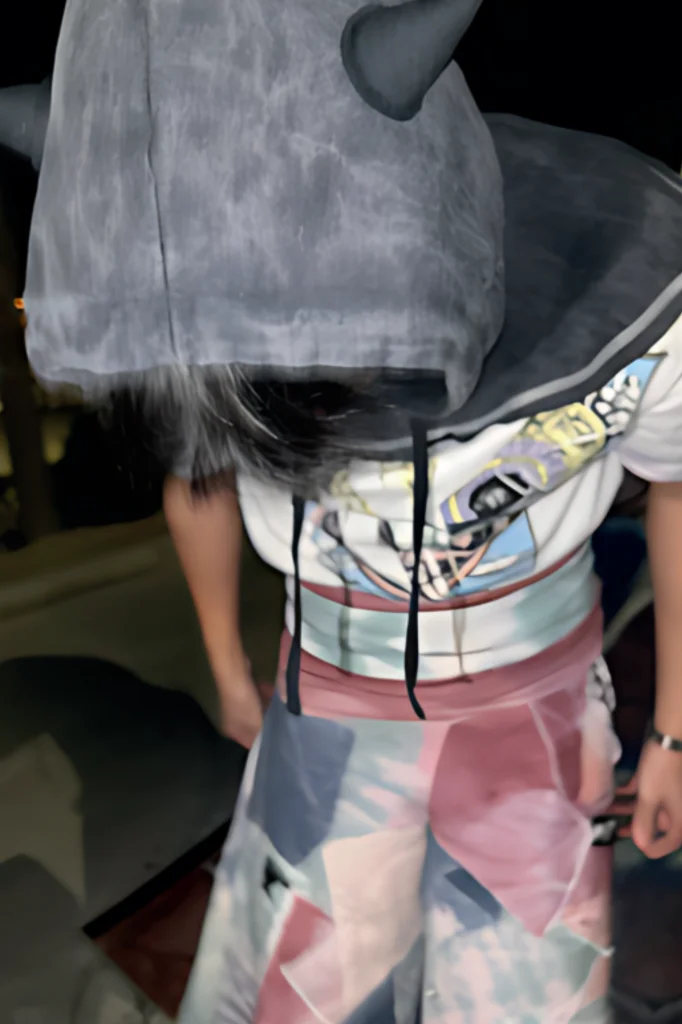
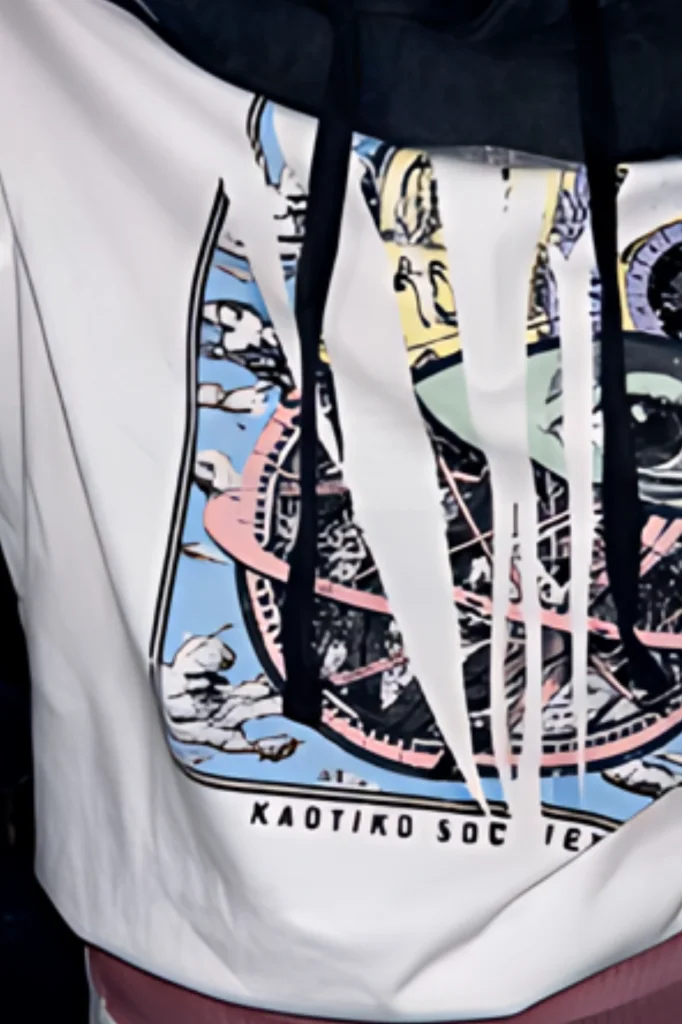
One example of the works presented is the set created by students Ingrid Sala and Júlia Escudero, inspired by the vibrant universe of hip-hop and the urban elements present in the street. The sweatshirt, adorned with graffiti, captures the essence of the hip-hop style, not only representing an expression of fashion but also a testimony to freedom and authenticity. Designed especially for urban dancers, the sweatshirt meets practical needs such as comfort and freedom of movement.
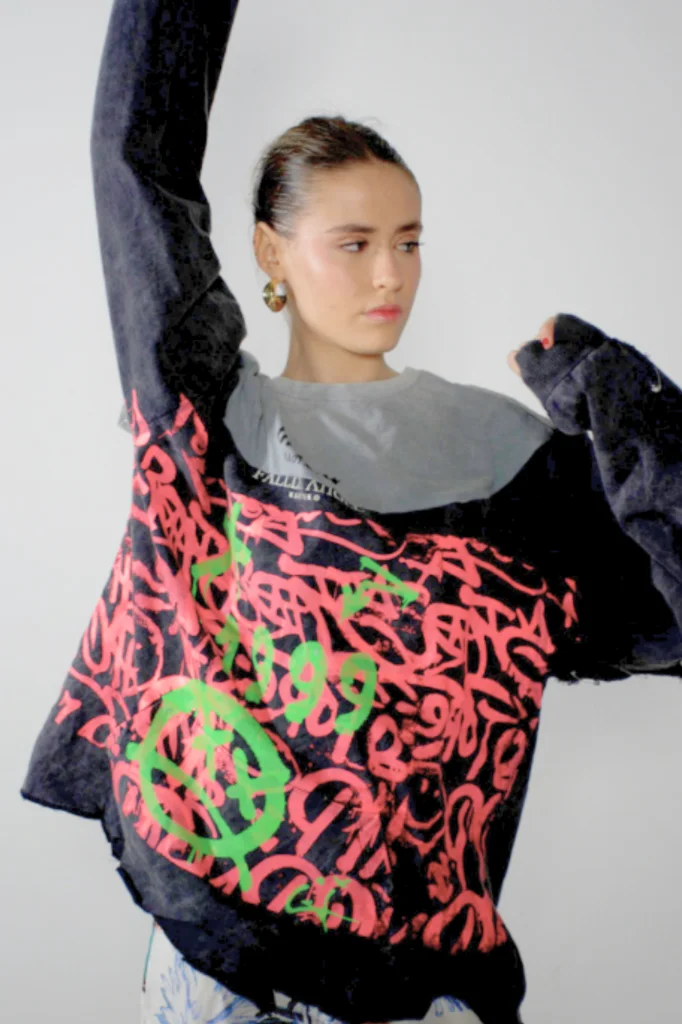
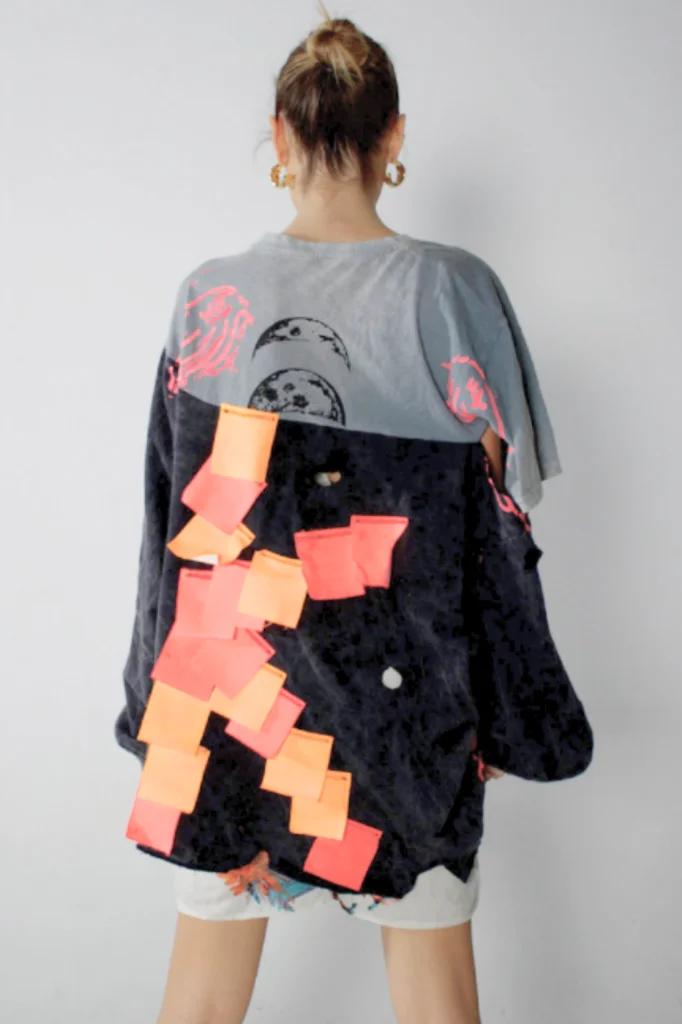
Boxer-style shorts complement the outfit, contributing not only to the overall aesthetic of the look but also reinforcing the authenticity and connection to hip-hop culture.
To carry out this project, the students Mariona García, Sila Sánchez, and Aina Vila researched the brand in depth in search of inspiration. During this search, the symbolism of the beetles and the designs inspired by ancient Egypt caught their attention.
What the god Khepri represents in terms of fashion is the reuse of fabrics, taking something old and turning it into something new, and that is precisely what they have achieved with this project.
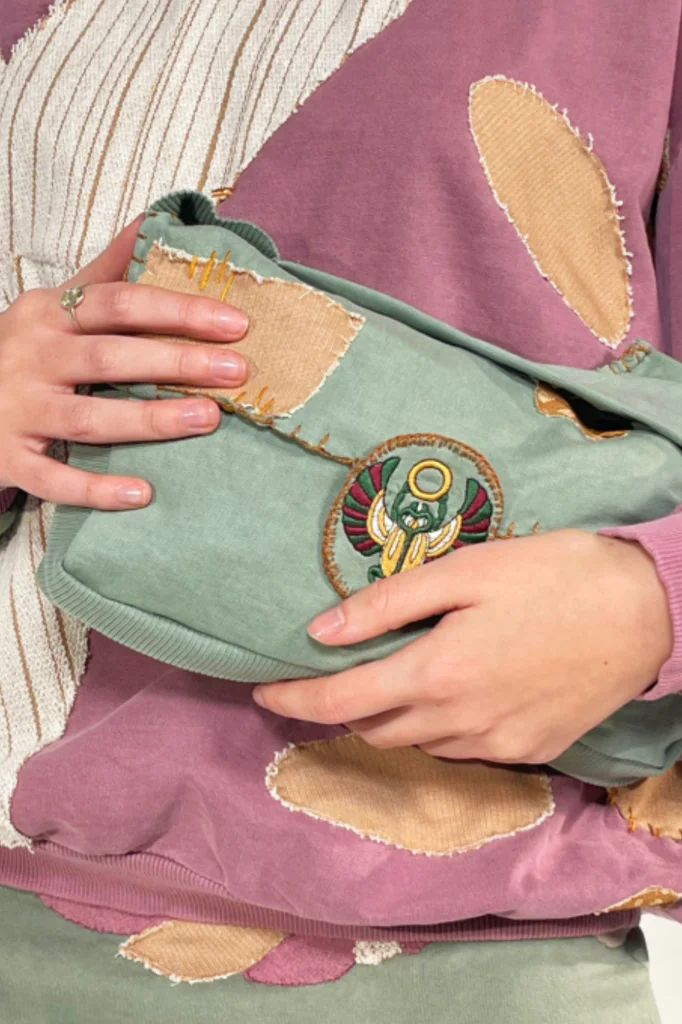
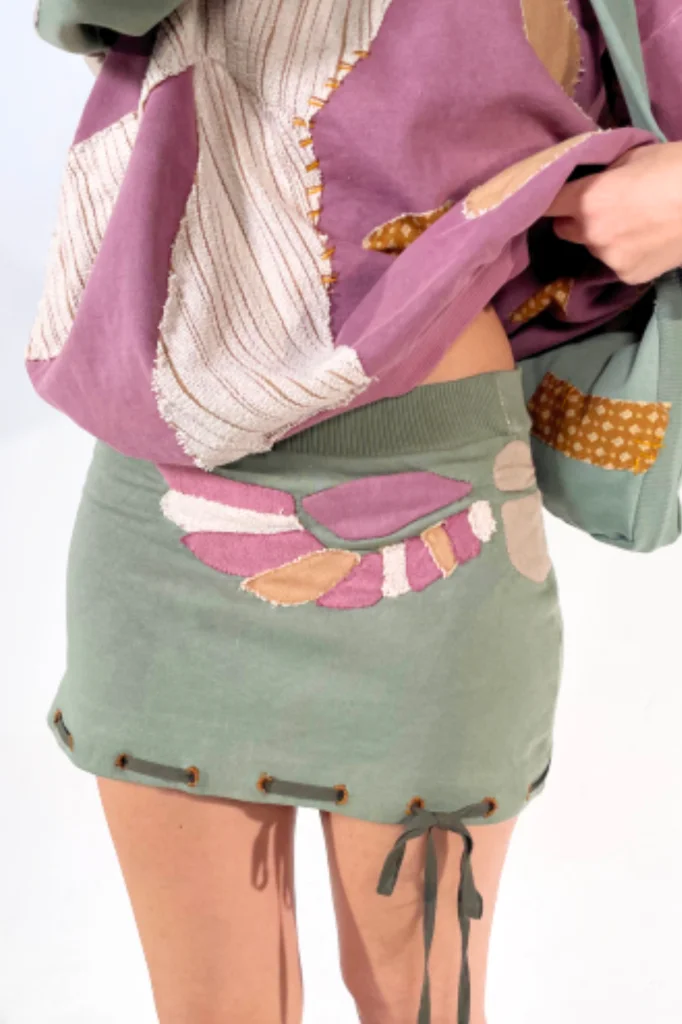
Another result is the design conceived by Queralt Turull and Clàudia Gómez, entitled “360”. It alludes to the characteristic trick in skateboarding, where both the skateboard and the skateboarder execute a complete 360-degree rotation. In addition, the title seeks to underline the integral transformation applied to the garments provided by Kaotiko.
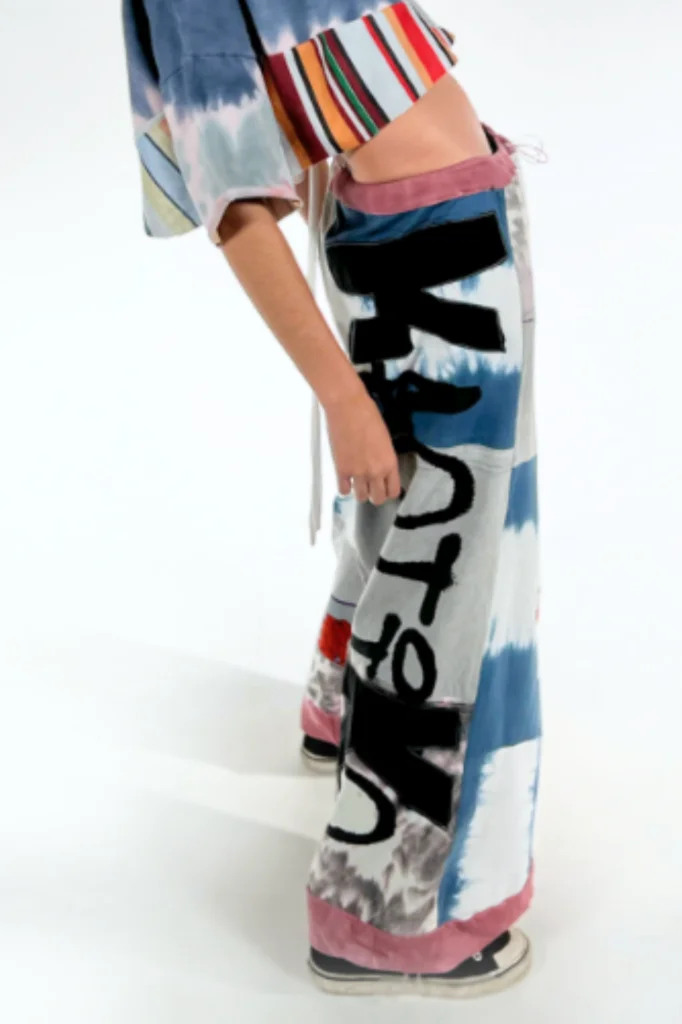
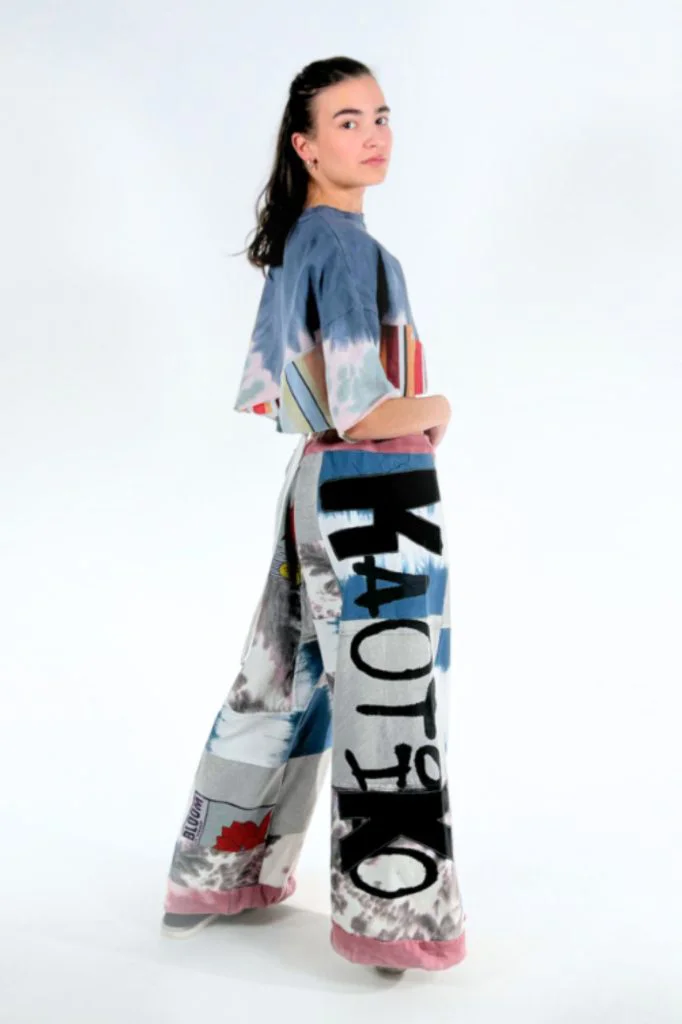
Along the same lines, the work developed by Inés Borrego, Andrea Criado, and Aurora Gallardo is inspired by a nineties aesthetic. The use of patchworks, rips, and studs are sources of inspiration for this project. Through the proportions exaggeration, with notably wide trousers and high waists, they achieve a casual and comfortable look, similar to the urban references of the 90s.
These projects demonstrate the students’ creative ability and also their commitment to sustainability and redefining fashion as a meaningful artistic and social expression.