
The 16th National Packaging Awards, organized by the Packaging and Packaging Innovation Cluster, have once again shown that the future of packaging is being built by listening to young talent, prioritizing sustainability, and putting innovation at the service of people.
The award-winning solutions in this edition go beyond functionality — they tell stories through creative and environmentally friendly design. For example, a package for the packaging industry that can be transformed into a flowerpot or a lamp thanks to die-cut pieces that include seeds. Or fun yogurts designed for children and teenagers that adapt their shape and functionality to an active and changing lifestyle, telling a story of fun, health, and practicality.
These are just a few examples of the projects that were recognized among the more than 300 entries submitted from 22 institutions, including universities and design schools. The ESDI School of Design, affiliated with Ramon Llull University, won a first prize and a runner-up (Accésit) award.
In this context, Amaya Fernández, president of the Cluster, emphasized the role of these awards as a bridge between university and industry, creating real opportunities in the job market and fulfilling the main goal of these awards: for talent to find its place. The awards ceremony was also attended by Manuel Rosalén, Director General of Industry for the Department of Innovation, Industry, Commerce, and Tourism of the Valencian Government.
It’s worth noting that these awards are supported by Grupo La Plana and the technology center ITENE; receive significant backing from Sacmi, Hinojosa, and Grabalfa; and have the collaboration of Huhtamaki, Caixa Popular, Innotech – Grupo Lantero, ESIC Business & Marketing School, Siegwerk, Upalet, and Limitronic. They are also funded by the Department of Innovation, Industry, Commerce, and Tourism of the Valencian Government.
The Coolant Packaging of the Future
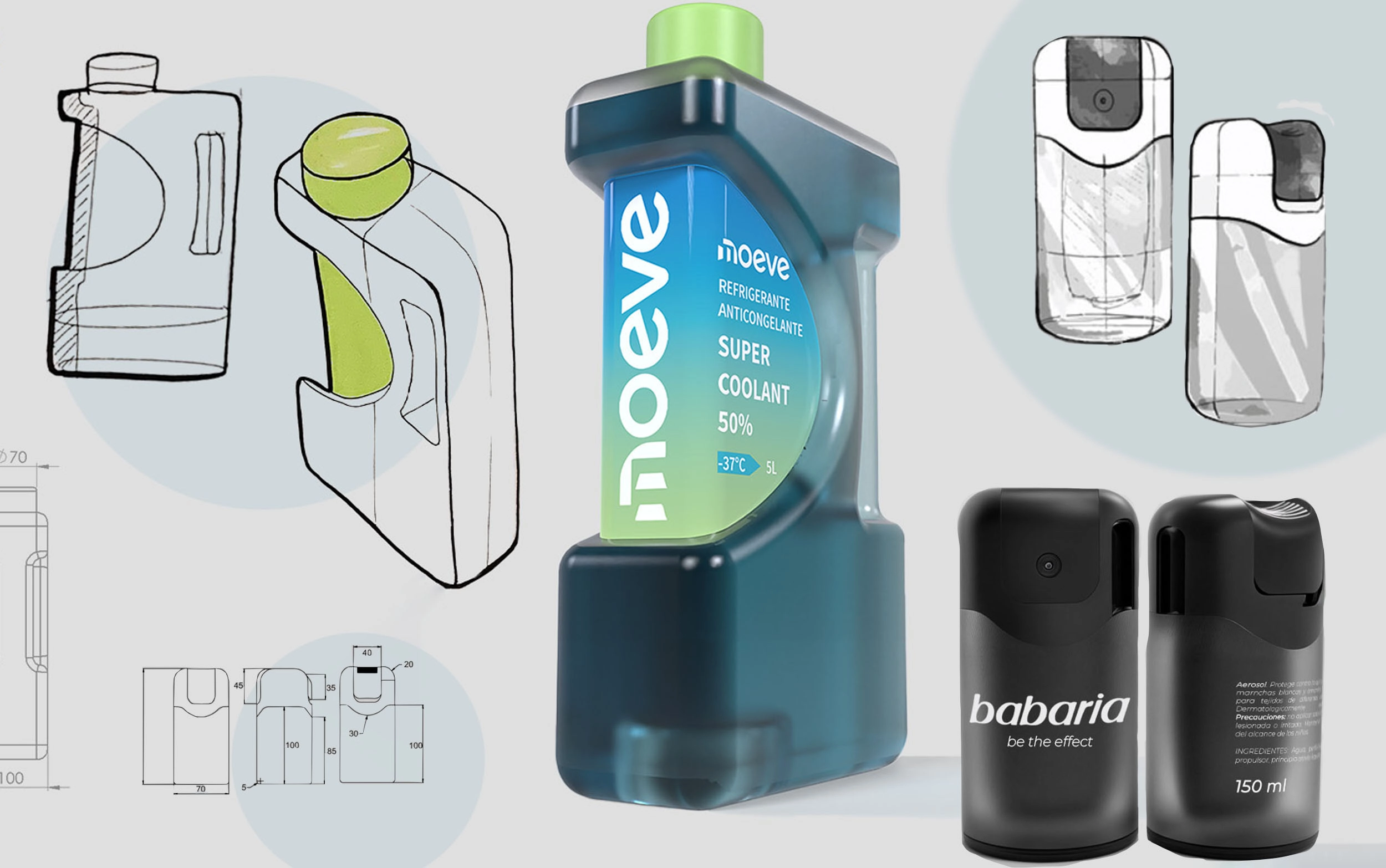
The challenge posed by MOEVE focused on redesigning the packaging of its coolant liquid, aiming to increase shelf visibility and strengthen its commitment to sustainability. The challenge involved increasing the use of recycled plastic without raising costs or compromising product safety.
The first prize was awarded to Paula Oliveros, a Product Design major at ESDI, who created a package with a modern look and sustainable materials, tailored for the automotive sector. Her design conveys innovation, trust, and environmental responsibility. It features an ergonomic side grip for easier use, a stackable design, transparency to enhance the user experience, and the brand name integrated on the side to stand out on the shelf.
Sustainable Aerosol Packaging
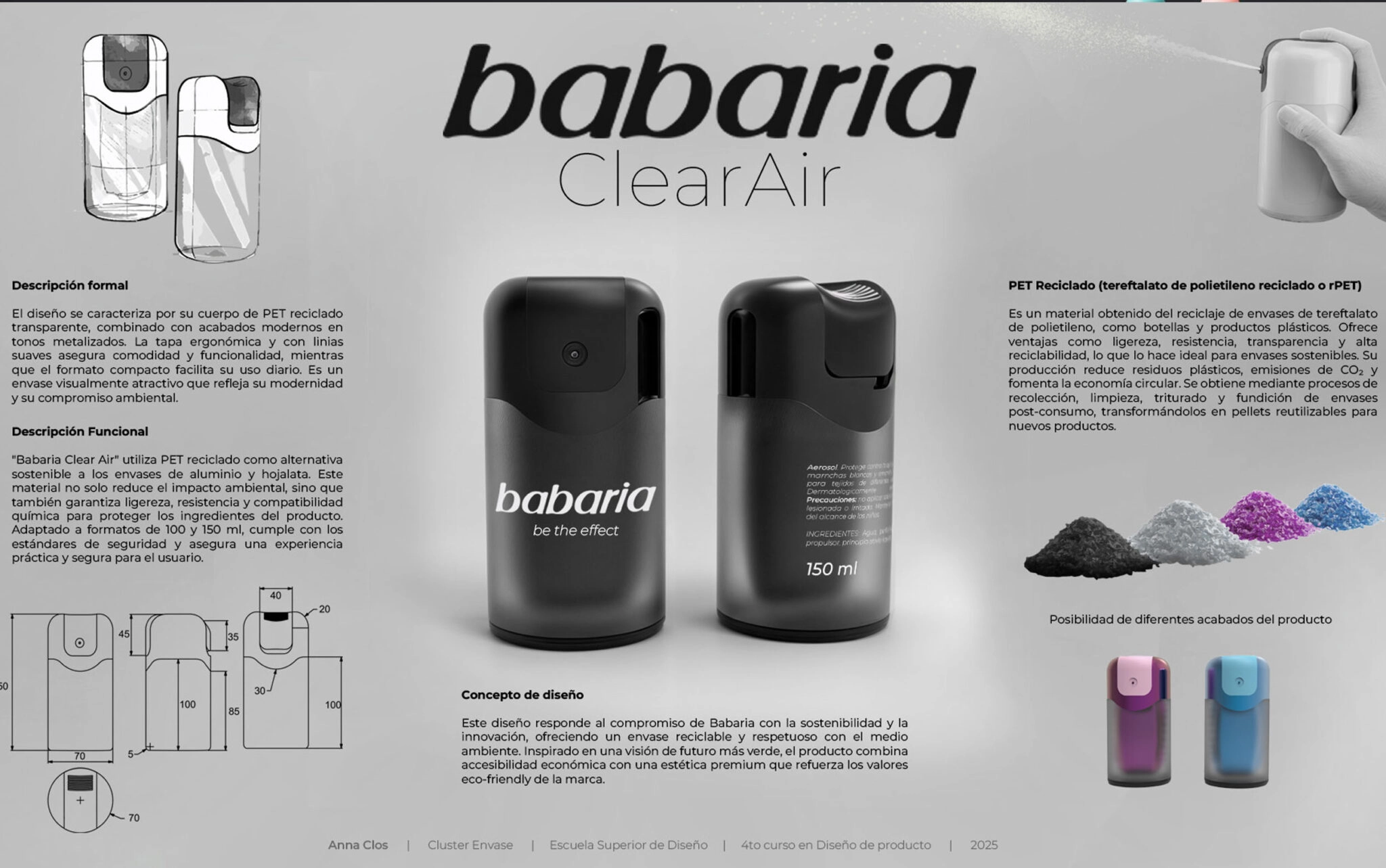
In the cosmetics category, Babaria presented the challenge of replacing the traditional aerosol container made of aluminum or tin with a more sustainable alternative, such as recycled PET, while maintaining efficiency in functionality, environmental impact, and cost.
In this challenge, ESDI earned a runner-up award (Accésit) with student Anna Clos, a Product Design major, who developed a proposal that combines lightness, durability, and compatibility with cosmetic products, while also reducing environmental impact. The design features an ergonomic cap with smooth lines that enhances comfort and usability, along with metallic-tone finishes that give it a modern and elegant appearance.
The Packaging Industry’s Commitment to Sustainability
On another front, Florette posed the challenge of reinventing the packaging for its complete salads to make it more attractive, functional, and sustainable—while also making it easier to consume outside the home and aligning with the brand’s eco-design principles.
From the perspective of the packaging industry, additional challenges were also presented. In this case, Grupo La Plana challenged participants to design interior protective packaging elements using primarily corrugated or solid cardboard.
Another challenge came from International Paper, which focused on designing innovative packaging for the fishing industry, aiming to improve both sustainability and logistical efficiency across the entire supply chain.
In the food sector, Pascual launched a challenge to design new sustainable packaging for dairy products, either drinkable or spoonable, specially geared toward children and teenagers. The packaging needed to be attractive, functional, and efficient in terms of logistics.
Finally, during the awards ceremony, the Cluster Plan Cantera Prize was awarded. Winners and finalists of the National Packaging Awards automatically qualify for the final round of the young talent category in the Liderpack Awards, organized by Graphispack Association and the Hispack trade show at Fira de Barcelona.
At the same time, the award-winning projects may also represent Spain at the WorldStar Student Awards, the most prestigious international university-level packaging design competition, organized by the World Packaging Organization (WPO).
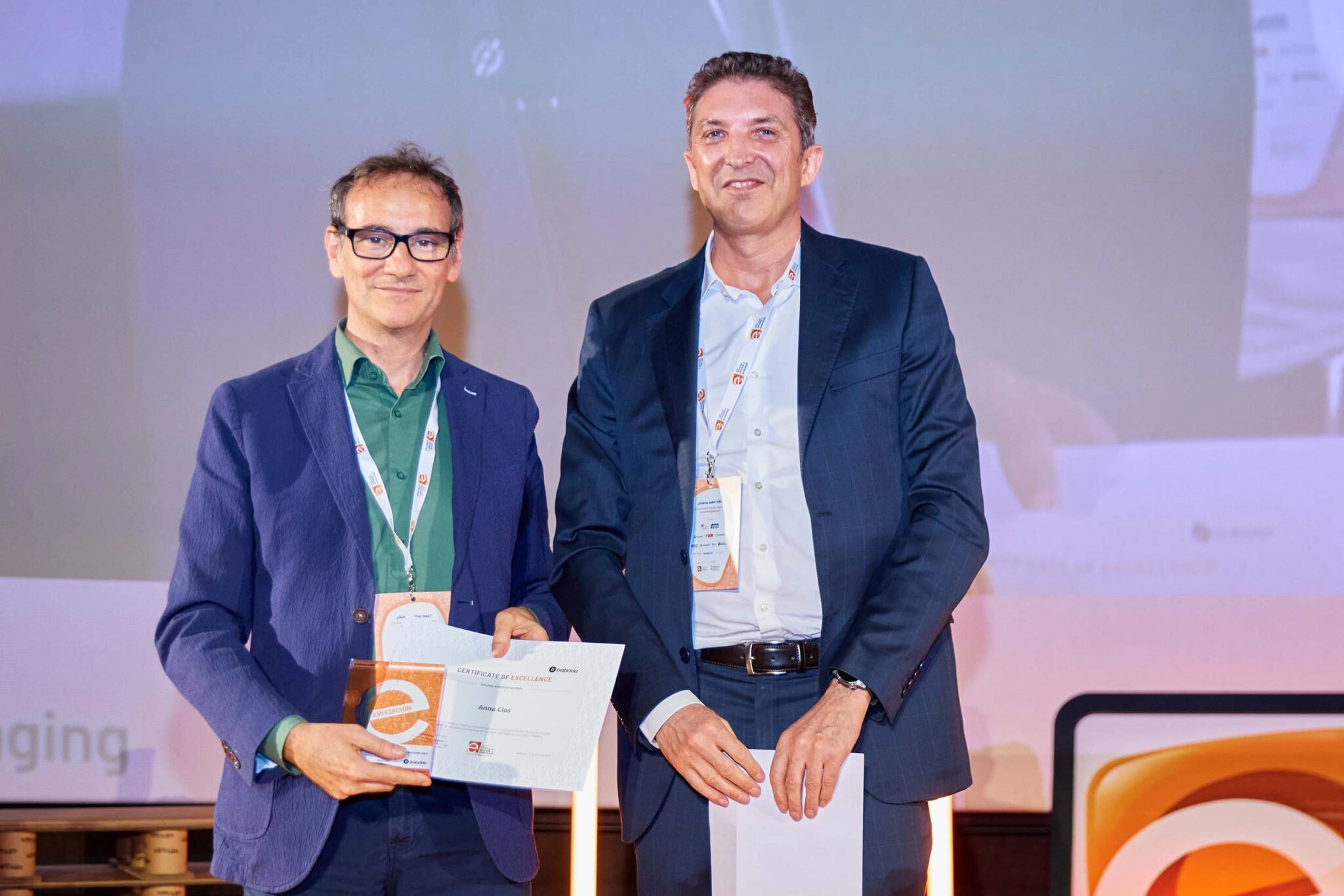
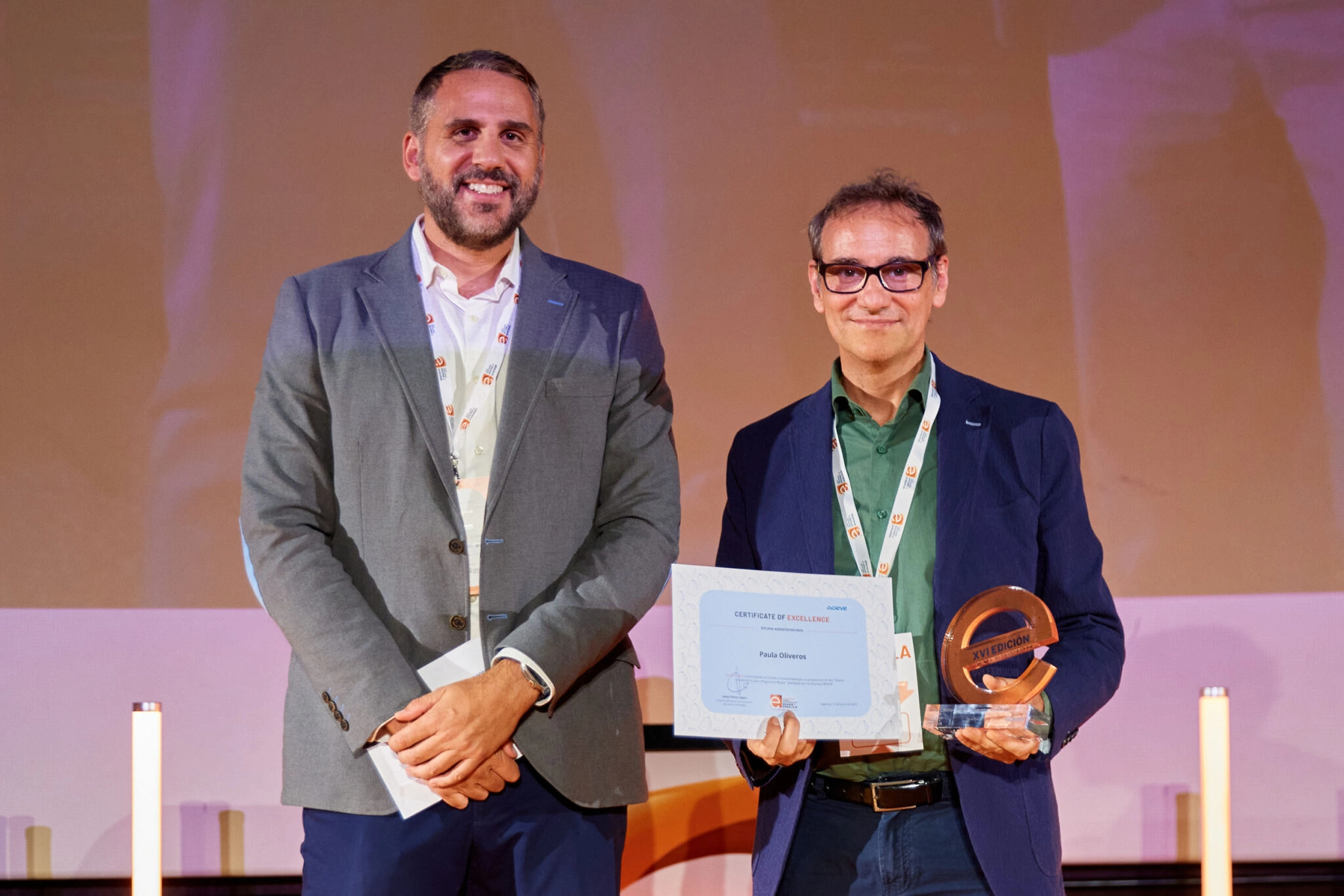
Professor Ignasi Paré accepting both awards