
COURSE
DIGITAL PATTERN MAKING WITH GERBER
ESDI’s Digital Pattern Making with Gerber course introduces you to the use of digital tools for pattern drafting, transformation, and industrialisation. This practical training is designed to improve the efficiency, precision, and sustainability of processes in the fashion industry.

Introduction
Digitising pattern making is key to optimising workflows in the textile and fashion industry. This course allows you to acquire or refine your skills in digital pattern making using a specialised system applied to the creation, transformation, and industrial preparation of patterns.
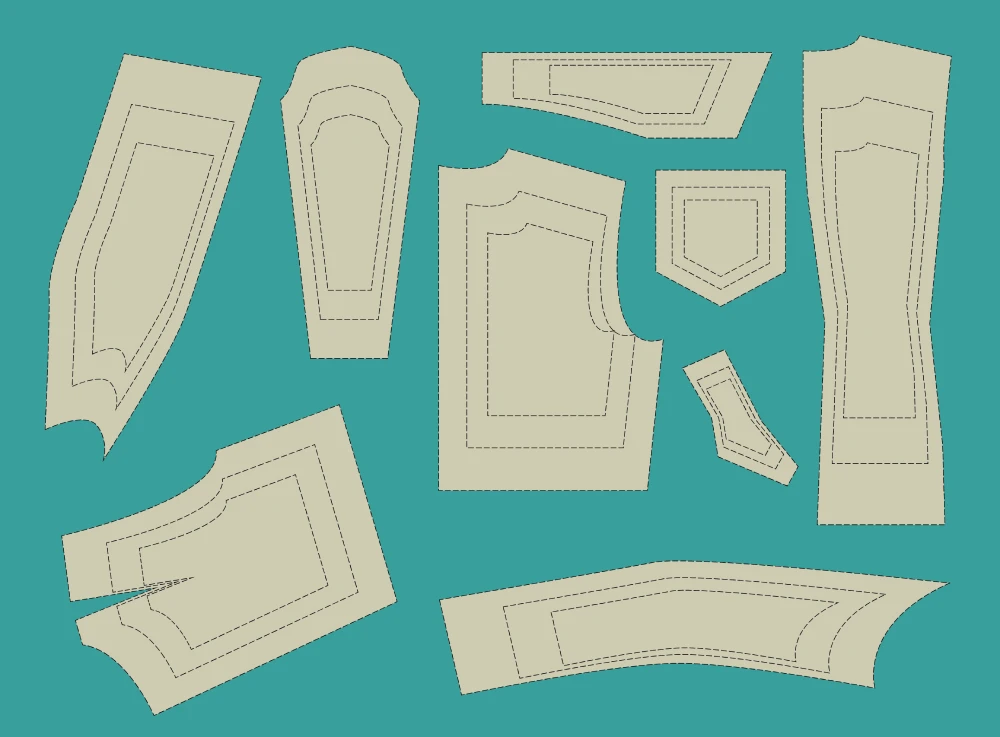
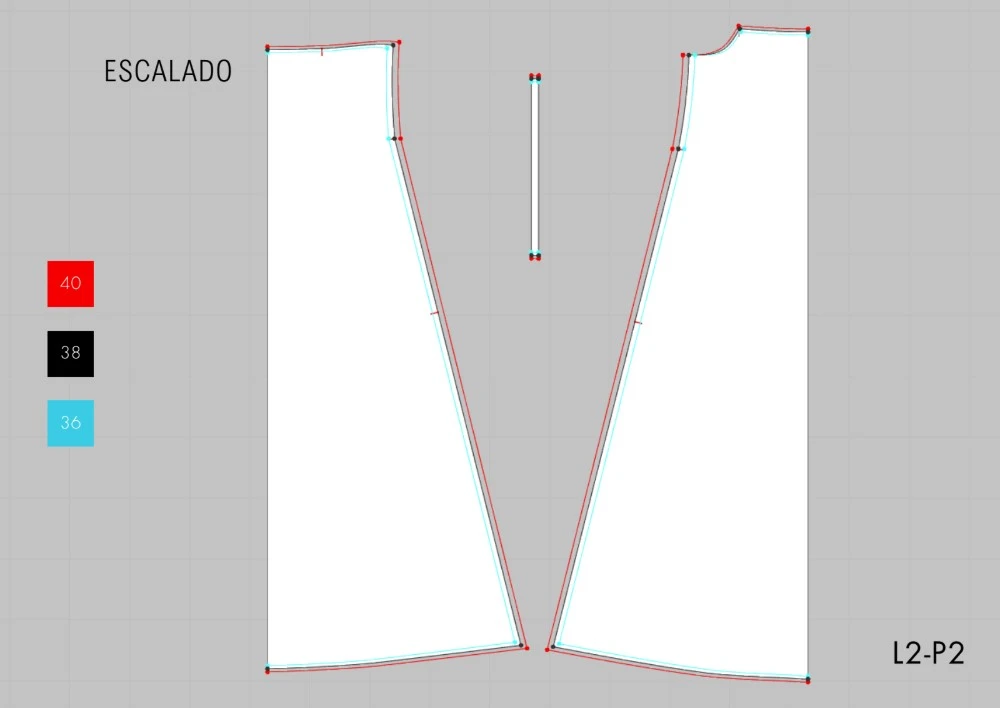
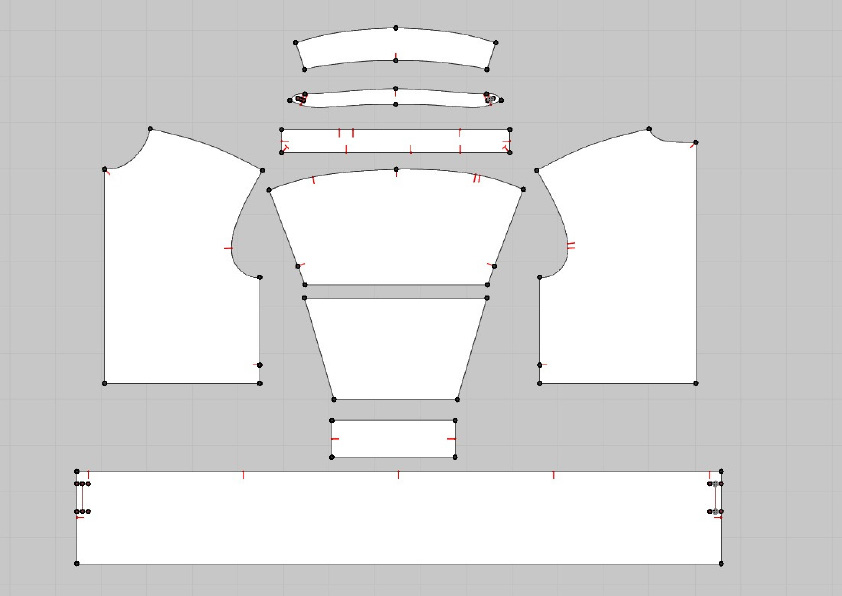
Through a hands-on methodology, students will learn to work with the nomenclature, mechanics, and digital interface of the Gerber program. The course focuses on the industrialization of designs, pattern management, scaling, and marking, connecting the creative process with the production needs of the industry.
Key Information
-
DATES
To be confirmed
-
PRICE
700 €
15% discount for ESDI students and alumni
-
MODE
In person at ESDI Sabadell (C/ Marquès de Comillas, 81-83, 08202 Sabadell, Barcelona)
-
LANGUAGE
Spanish/Catalan
-
DURATION AND CREDITS
50 hours. 10 ECTS credits
-
SCHEDULE
Monday, Tuesday, Wednesday and Thursday, from 09:30 am to 1:30 pm
Contents
The programme is divided into 4 content blocks that will guide you step by step through the entire process:
-
1. LEARNING AND MANAGEMENT OF DIGITAL TOOLS.
Introduction to the Gerber digital environment and the necessary tools to adapt models to the industrialisation process of design.
-
2. TRANSFORMATIONS.
Application of modifications and adjustments to digital patterns to develop design variants and adapt models to different needs.
-
3. SCALE.
Learning the processes of size grading to prepare consistent, accurate, and production-ready patterns.
-
4. MARKED.
Organisation and distribution of patterns on fabric to optimise material consumption and improve production efficiency.
-
5. SELECTION OF MATERIALS AND USE OF COLOR ACCORDING TO THE DESIGN.
Exploration of threads, fabrics and color combinations according to the aesthetic intention of the project.
-
6. FINAL PRESENTATION OF THE SAMPLES.
Preparation and presentation of final pieces that integrate the techniques and concepts worked on.
Who Is It Aimed at?
COURSE OBJECTIVES
This course is designed for students, graduates, and professionals in the fields of fashion, pattern making, and garment construction who wish to begin or refine their skills in digital pattern making. It is especially suitable for those who want to update their technical knowledge and adapt to the industry’s new workflows.
It is also designed for professionals who already have a foundation in pattern making and want to incorporate digital tools into their work. Prior pattern making knowledge is recommended to get the most out of the course content.
COURSE OBJECTIVES
-
To understand the basic operation of the Gerber digital system.
-
Learn to draw and transform patterns using digital tools.
-
Understanding the terminology and workflows specific to digital pattern making.
-
Develop digital industrialization processes for models.
-
Perform scaling and size adjustments.
-
Prepare optimized markings for production.
-
Improve efficiency and accuracy in pattern-making processes.
Methodology
The course is based on a practical methodology, focused on direct learning of the software and the progressive application of its tools. Each session combines technical explanation with guided exercises to consolidate the use of the interface and the digital pattern-making processes.
Throughout the programme, students will work on specific models and patterns, applying transformations, scaling, and marking techniques. This approach allows them to connect their learning with real-world situations in the industrialization and production of the fashion industry.
Course Instructor
-
PATTERN MAKER

Industrial pattern maker, specializing in garment construction and pattern making. Since 2016, she has worked as an assistant to the technical director at the Juan Carlos Grao design and pattern-making studio, undertaking projects for companies and creating custom-made collections and garments. A specialist in pattern making, grading, and digital design, she also works as a freelancer, producing technical and design documentation.
Request Information
Do you want more information or have any questions? You can submit the form or contact us via WhatsApp, email, or phone.